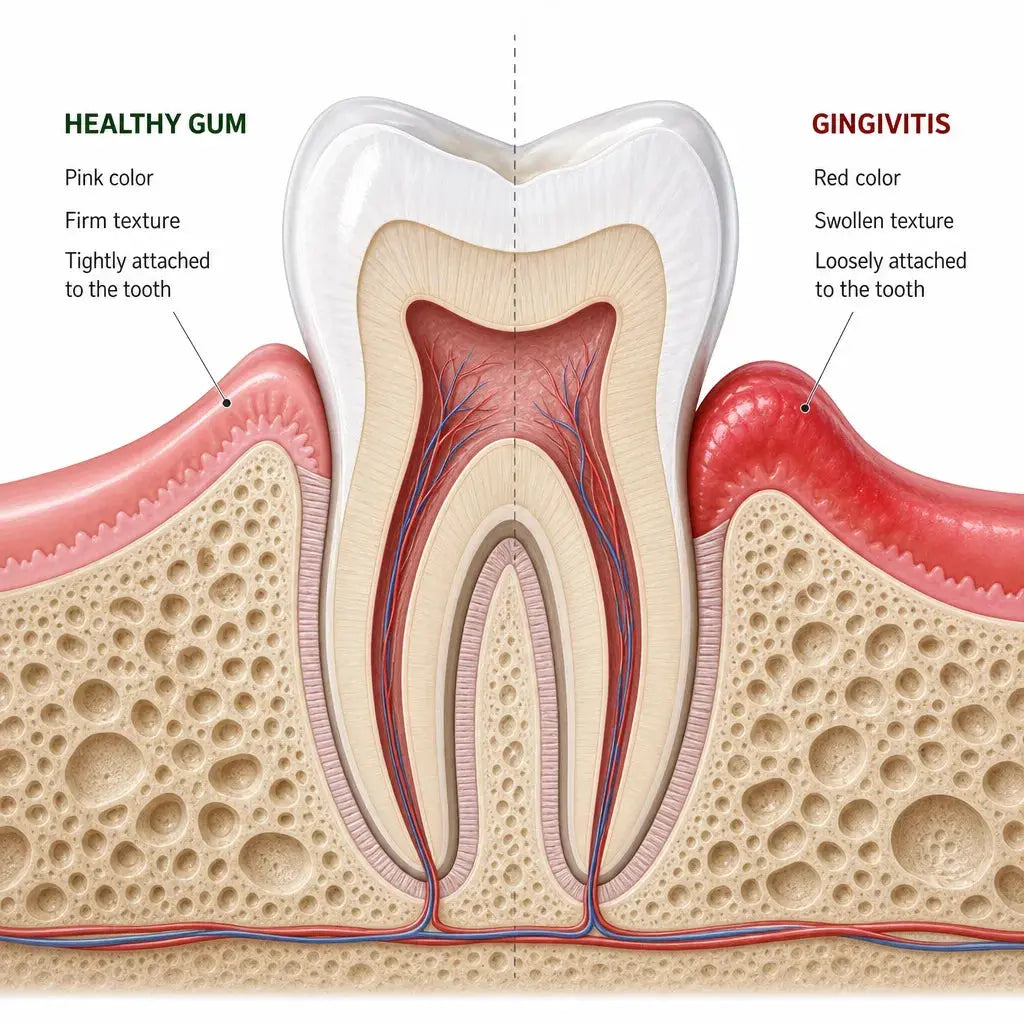
TL;DR: Gingivitis — gusi bengkak dan berdarah — adalah tahap paling awal dan paling umum dari penyakit gusi. Kondisi ini juga 100% dapat dipulihkan. Solusinya adalah menghilangkan lapisan bakteri lengket yang disebut plak yang mengiritasi gusi Anda, dan melakukannya secara menyeluruh setiap hari. Artikel ini memandu Anda melalui rutinitas yang tepat yang berhasil, apa yang perlu ditambahkan jika Anda membutuhkan bantuan ekstra, dan kapan saatnya menghubungi dokter gigi.
Melihat sedikit warna merah muda di wastafel setelah menyikat gigi memang meresahkan. Insting pertama Anda mungkin panik atau, lebih parah, menghindari dan menyikat lebih lembut di area yang sakit. Jangan lakukan keduanya. Pendarahan itu adalah tanda gusi Anda meradang, dan solusinya sebenarnya adalah pembersihan yang lebih efektif, bukan kurang. Gingivitis adalah sistem peringatan dini tubuh Anda, dan meresponsnya dengan benar sekarang mencegah kerusakan permanen nanti.

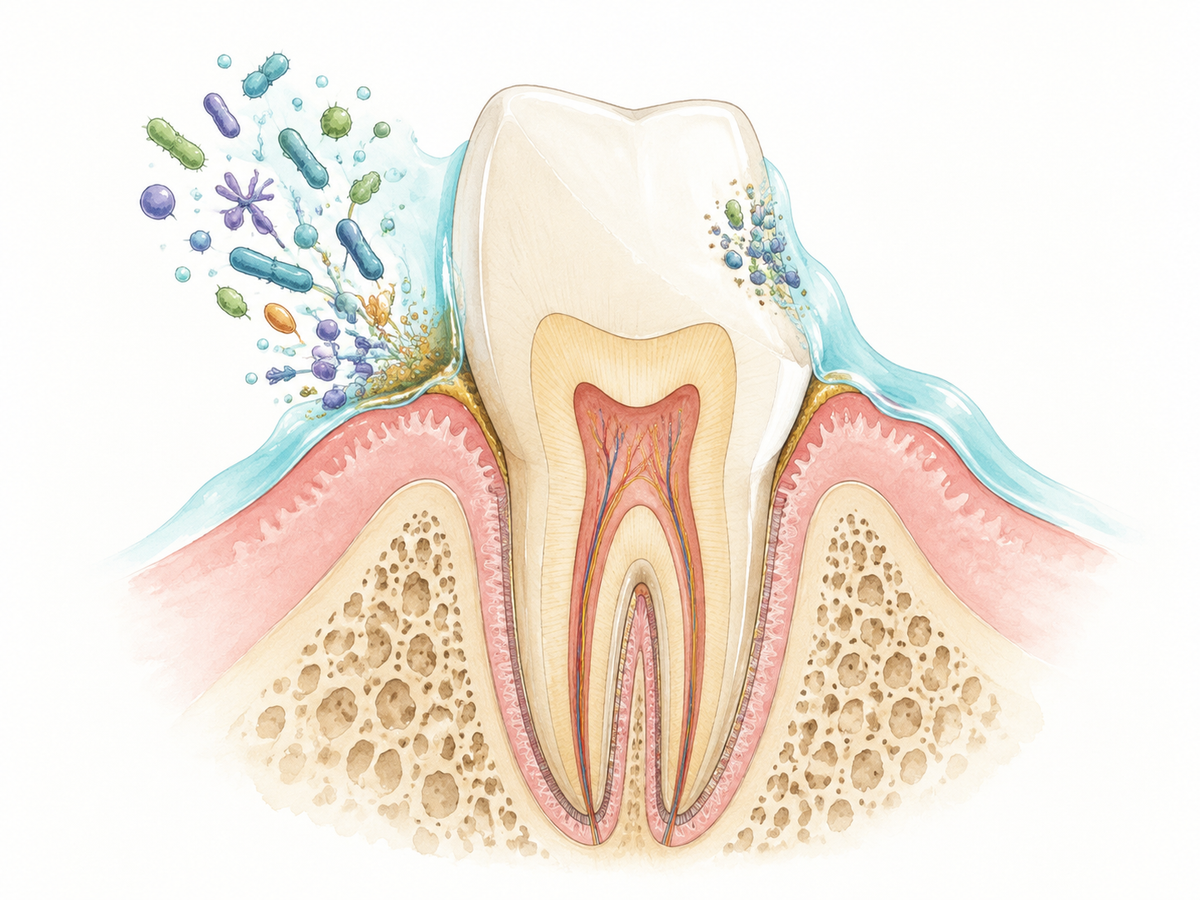
Fondasi untuk menghilangkan gingivitis sederhana: hancurkan biofilm plak setiap 24 jam sebelum mengeras menjadi karang gigi. Ketika plak berada di sepanjang garis gusi, bakteri di dalamnya melepaskan racun yang memicu respons peradangan. Gusi Anda membengkak, memerah, dan berdarah saat diperiksa atau disikat. Semua yang akan kami bahas bertujuan untuk satu hal — memecah koloni bakteri tersebut agar gusi Anda dapat sembuh.
1. Tingkatkan Rutinitas Menyikat Gigi Anda
Apa yang selama ini Anda lakukan belum cukup berhasil, jadi saatnya untuk menyempurnakan teknik Anda. Kebanyakan orang dewasa menyikat dengan gerakan maju mundur, yang efektif membersihkan permukaan gigi yang digunakan untuk mengunyah, tetapi sebagian besar melewatkan garis gusi tempat plak bekerja.
Gunakan teknik Bass yang dimodifikasi. Miringkan sikat gigi berbulu lembut pada sudut 45 derajat ke arah gusi — Anda ingin bulu sikat meluncur sedikit di bawah garis gusi. Lakukan gerakan melingkar atau bergetar kecil dan lembut dengan tekanan yang sangat ringan. Anda menargetkan celah tempat gigi bertemu gusi; itu adalah titik awal penumpukan plak.
Sebuah uji coba terkontrol acak tahun 2023 menemukan bahwa saran kebersihan mulut yang disesuaikan dikombinasikan dengan pasta gigi anti-gingivitis secara signifikan memperbaiki pendarahan saat probing dibandingkan dengan saran standar saja. Pesannya jelas: teknik itu penting, dan alat yang tepat meningkatkan hasil Anda.
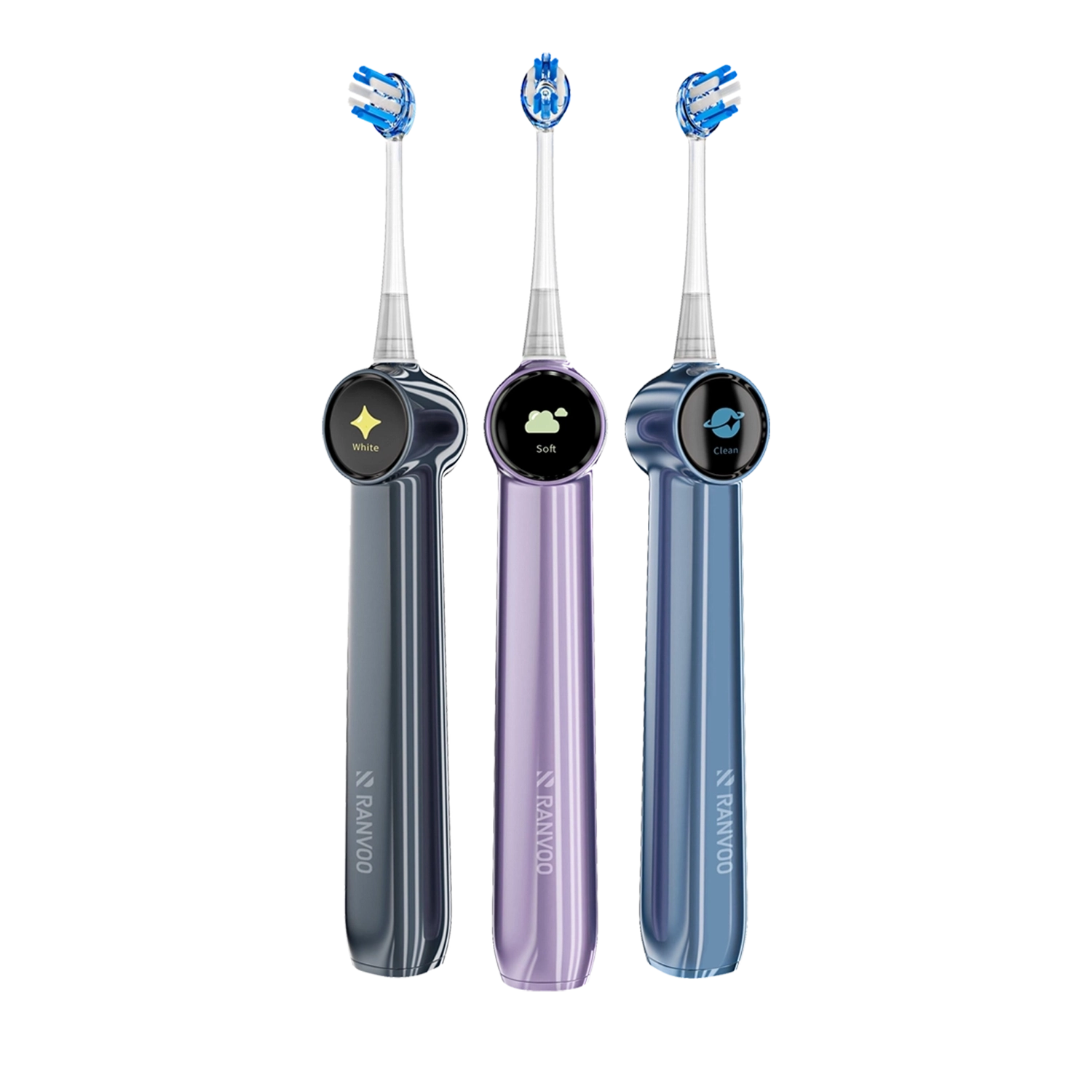
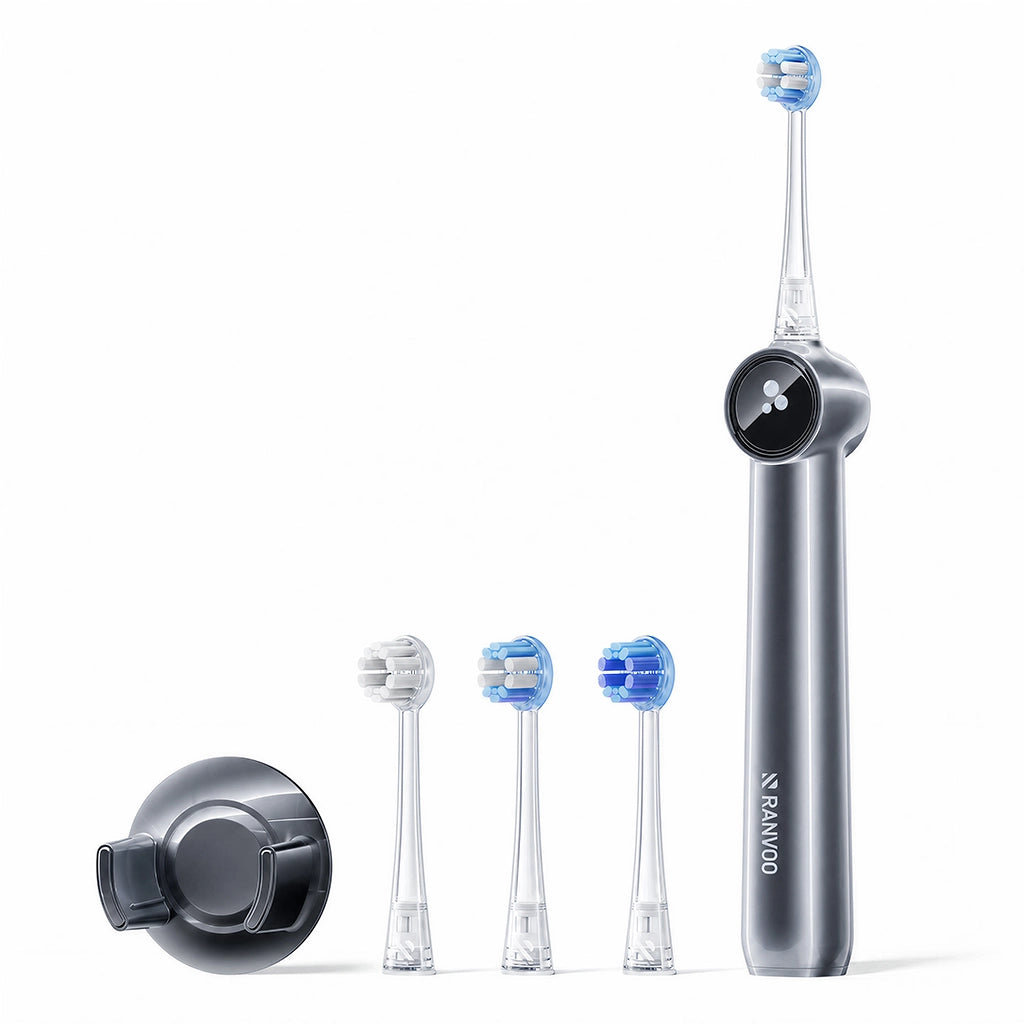
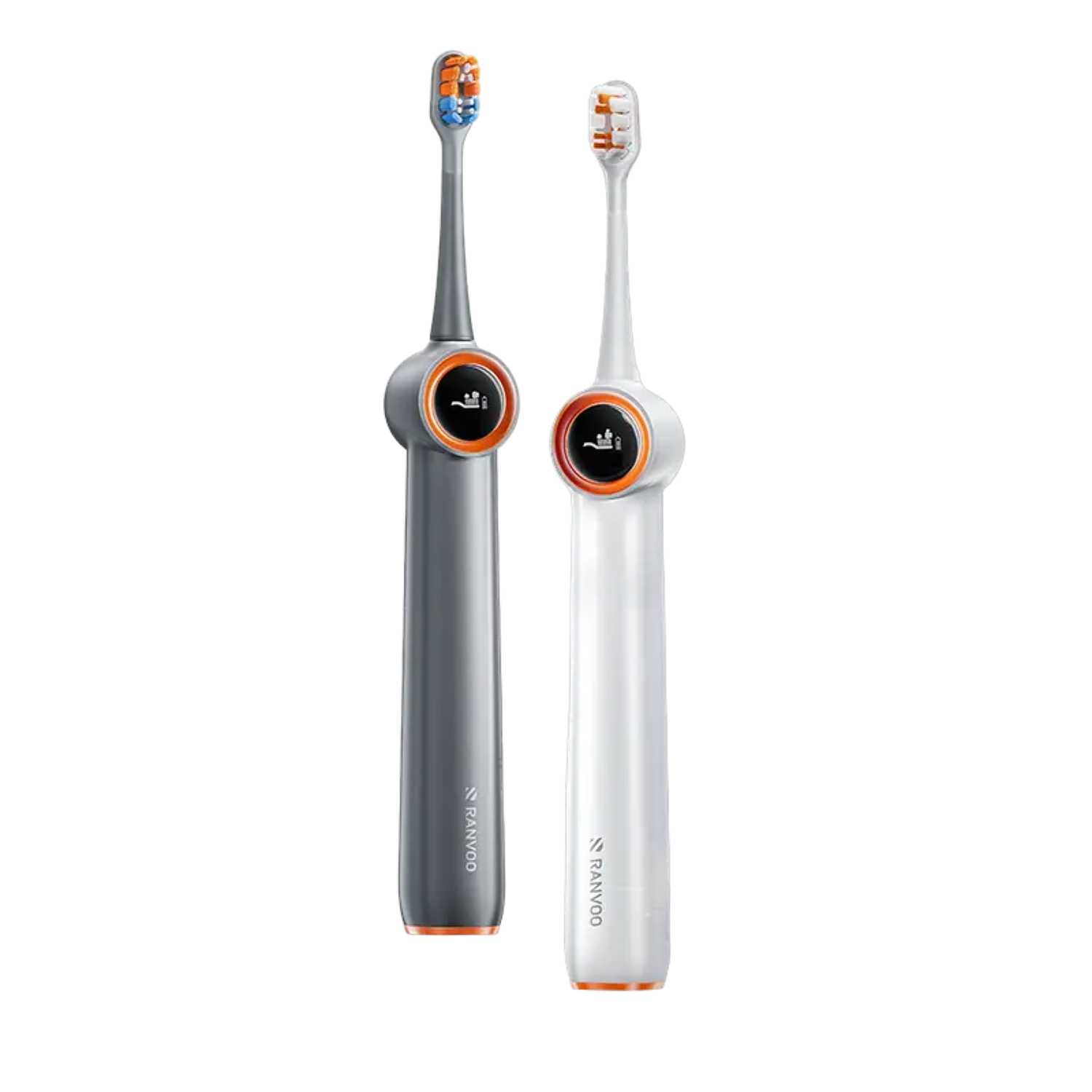
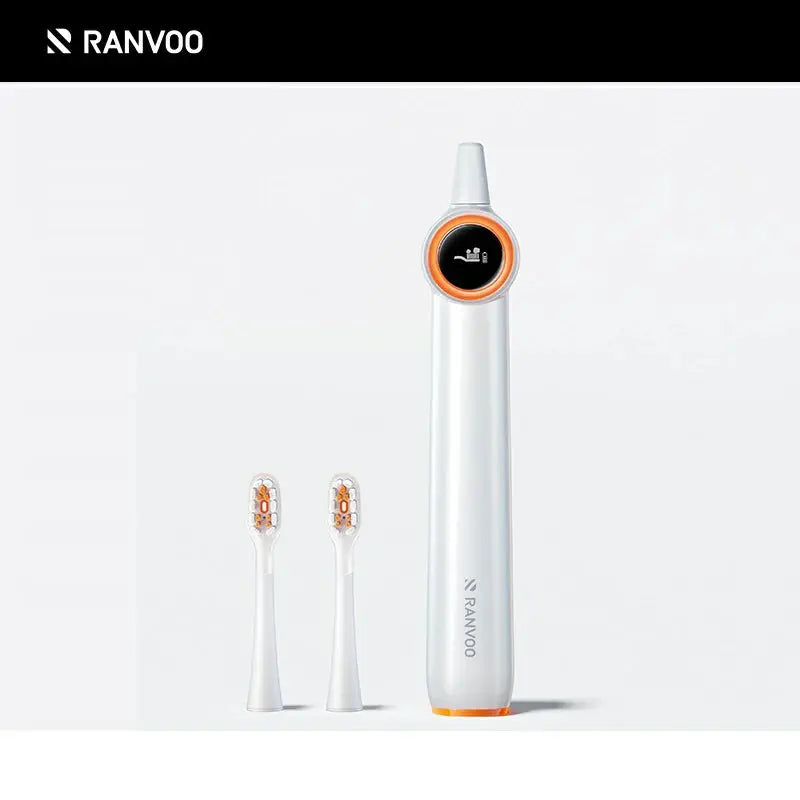
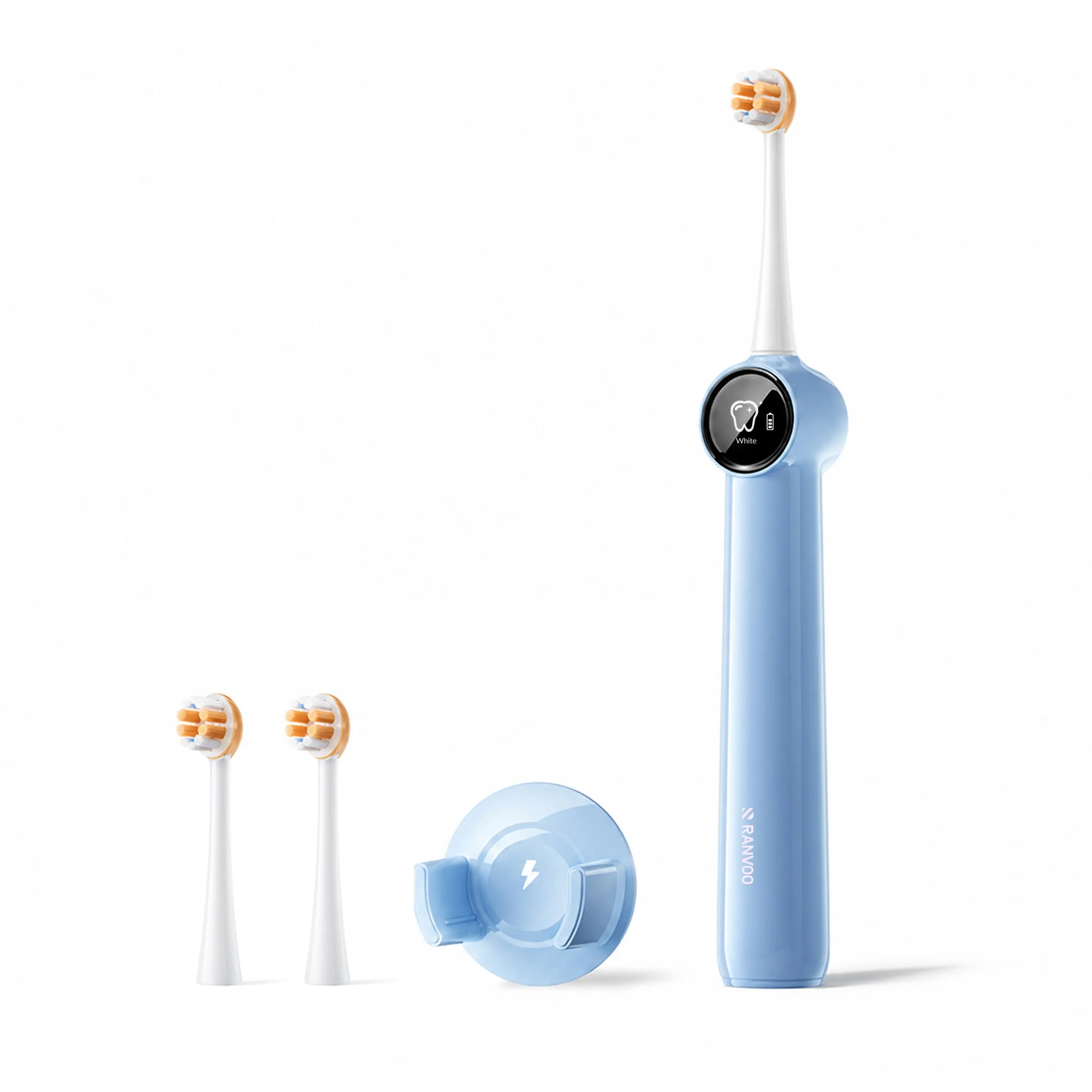
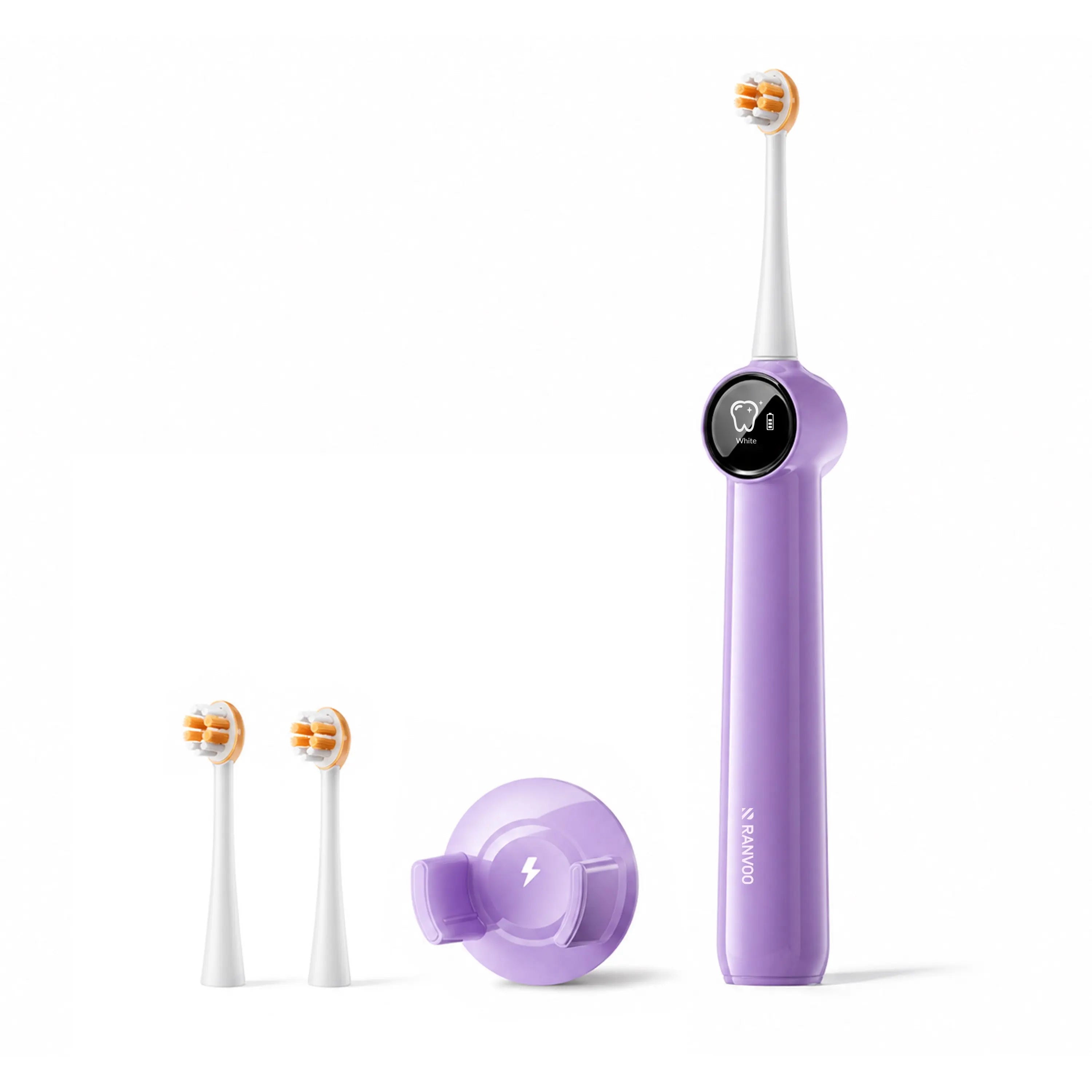
Beralih ke sikat gigi elektrik dapat memudahkan Anda mempertahankan sudut yang tepat ini. Sebagian besar model memiliki kepala sikat yang pas untuk menjangkau garis gusi, dan pengatur waktu bawaan memastikan Anda menyikat selama dua menit penuh — waktu minimum yang diperlukan untuk mengganggu plak secara memadai.
Bersabarlah dengan gusi yang berdarah. Jika gusi Anda berdarah selama teknik baru ini, jangan hindari area tersebut. Darah itu membilas cairan yang mengandung bakteri dan merupakan tanda langsung bahwa peradangan sedang terjadi. Membersihkan ke area yang berdarah dengan lembut adalah cara untuk mengatasinya. Setelah 3 hingga 5 hari menyikat gigi secara konsisten dan benar, Anda akan melihat lebih sedikit darah.
Pilihan pasta gigi memberikan keunggulan nyata di sini. Carilah pasta gigi berfluoride yang juga mengandung stannous fluoride atau minyak esensial. Sebuah uji coba double-blind tahun 2023 menunjukkan bahwa pasta gigi alkali menghasilkan penurunan signifikan pada peradangan gusi dan perdarahan hanya setelah 4 minggu penggunaan harian.

2. Rutin Menggunakan Benang Gigi (Dengan Cara yang Benar)
Sikat gigi, secanggih apa pun, tidak dapat menjangkau ruang sempit di antara gigi. Area interdental tersebut adalah tempat gingivitis sering dimulai dan bertahan meskipun menyikat gigi dengan rajin. Menggunakan benang gigi adalah keharusan, tetapi melakukannya dengan benar mengubah segalanya.
Teknik bentuk C: Geser benang gigi dengan lembut melewati titik kontak di antara dua gigi. Setelah berada di bawah garis gusi, lengkungkan benang menjadi bentuk C pada satu gigi dan geser ke atas dan ke bawah, membersihkan sisi gigi tersebut. Kemudian ulangi pada gigi yang berdekatan. Tujuannya adalah untuk mengikis secara fisik lapisan plak yang tidak terlihat yang menempel pada permukaan akar gigi, bukan hanya memasukkan dan mengeluarkan benang.
Jika benang gigi tradisional tidak cocok untuk Anda — baik karena masalah ketangkasan, kontak gigi yang rapat, atau hanya tidak menyukai sensasinya — Anda memiliki alternatif yang sangat baik. Sikat interdental adalah sikat kecil berbulu yang dimasukkan di antara gigi; seringkali lebih mudah digunakan dan sangat efektif. Water flosser menggunakan aliran air berdenyut untuk membuang sisa makanan dan mengganggu plak di bawah garis gusi, dan sangat membantu jika gusi Anda terlalu sensitif untuk benang gigi pada awalnya.
Konsistensi adalah yang membedakan keberhasilan dari stagnasi. Gunakan benang gigi atau pembersih interdental sekali setiap 24 jam. Biofilm plak terbentuk kembali dalam siklus sekitar 24 jam, jadi melewatkan bahkan satu hari memberi bakteri kesempatan untuk berkumpul kembali dan meradang gusi Anda lagi.
3. Tambahkan Obat Kumur Antimikroba
Obat kumur adalah pelengkap, bukan pengganti. Obat kumur tidak dapat menembus plak tebal dan lengket yang dihilangkan dengan sikat dan benang gigi, tetapi obat kumur dapat mengurangi jumlah bakteri yang mengambang bebas di mulut Anda setelah endapan yang lebih besar telah dihilangkan.
Referensi klinis StatPearls tentang gingivitis mencatat bahwa obat kumur klorheksidin yang digunakan selain menyikat gigi dan membersihkan interdental menyebabkan penurunan signifikan dalam penumpukan biofilm gigi. Carilah obat kumur terapeutik tanpa alkohol yang mengandung salah satu bahan aktif ini:
- Setylpiridinium klorida (CPC) — antimikroba spektrum luas yang ditemukan dalam banyak obat kumur yang dijual bebas.
- Minyak esensial (timol, mentol, eukaliptol) — secara klinis terbukti mengurangi plak dan gingivitis bila digunakan secara teratur.
- Klorheksidin glukonat — standar emas resep; sangat efektif tetapi biasanya dicadangkan untuk penggunaan jangka pendek (1-2 minggu) karena potensi noda gigi dan perubahan rasa.
Gunakan obat kumur Anda setelah menyikat dan membersihkan dengan benang gigi, berkumurlah selama 30 hingga 60 detik. Melakukannya terakhir membantu melapisi permukaan yang telah dibersihkan dan menjangkau area yang mungkin terlewat.
Perdarahan yang berlanjut lebih dari 7 hari dengan rutinitas gabungan ini — menyikat, membersihkan interdental, dan berkumur antimikroba — adalah sinyal bahwa ada masalah yang lebih dalam.
4. Coba Pengobatan Rumahan yang Didukung Klinis Ini
Meskipun pembersihan plak secara mekanis melakukan pekerjaan berat, beberapa tambahan rumahan dapat menenangkan jaringan yang teriritasi dan menciptakan lingkungan yang kurang ramah bagi bakteri. Ini adalah tambahan berisiko rendah, tetapi efektivitasnya sangat bergantung pada konsistensi Anda dalam menyikat dan membersihkan dengan benang gigi.
Berkumur dengan air garam adalah salah satu obat tertua dan paling sederhana. Larutkan setengah sendok teh garam dalam secangkir air hangat dan berkumurlah perlahan dua kali sehari. Larutan garam hipertonik menarik cairan keluar dari jaringan gusi yang bengkak, mengurangi edema, dan menciptakan lingkungan antibakteri ringan. Ini sangat menenangkan jika gusi Anda sakit dan sensitif.
Oil pulling dengan minyak kelapa memiliki beberapa bukti untuk pengurangan plak. Kumur satu sendok makan minyak kelapa di mulut Anda selama 10 hingga 15 menit, lalu buang ke tempat sampah (bukan wastafel — bisa mengeras dan menyumbat pipa). Asam laurat dalam minyak kelapa memiliki sifat antimikroba, dan gerakan berkumur mekanis dapat membantu melepaskan bakteri. Anggap ini sebagai tambahan opsional, bukan perawatan inti.
Penelitian yang berkembang juga menunjukkan potensi probiotik oral. Uji coba terkontrol acak tahun 2023 menemukan bahwa Lactobacillus plantarum suspensi probiotik MK06, digunakan sebagai tambahan obat kumur, secara signifikan meningkatkan indeks gingiva selama empat minggu. Meskipun buktinya belum cukup kuat untuk menggantikan perawatan standar, ini adalah area yang menjanjikan.
5. Makan untuk Memperbaiki Gusi
Gusi Anda adalah jaringan hidup yang membutuhkan nutrisi spesifik untuk memperbaiki diri dan melawan serangan bakteri. Apa yang Anda makan secara langsung memengaruhi seberapa cepat Anda sembuh.
Tingkatkan asupan vitamin C. Vitamin C sangat penting untuk sintesis kolagen, dan kolagen adalah protein struktural yang menjaga gusi Anda tetap utuh dan elastis. Bukti klinis menunjukkan bahwa kekurangan nutrisi dapat berkontribusi pada peradangan gusi. Konsumsilah buah jeruk, paprika, stroberi, brokoli, dan kiwi. Satu jeruk atau secangkir paprika merah iris memenuhi kebutuhan harian Anda.
Kurangi frekuensi gula secara drastis. Bukan hanya jumlah gula — tetapi seberapa sering Anda mengonsumsinya. Setiap tegukan soda atau gigitan permen memberi makan bakteri dalam plak, yang kemudian menghasilkan asam yang meradang dan mengiritasi jaringan gusi. Gula bebas harus dibatasi hanya pada waktu makan. Di antara waktu makan, air adalah sahabat terbaik gusi Anda.
Sayuran renyah bertindak sebagai pembersih plak alami. Mengunyah wortel mentah, seledri, dan apel merangsang aliran air liur — pertahanan alami mulut Anda sebagai penyangga dan antimikroba — dan tekstur berseratnya secara fisik membersihkan permukaan gigi. Meskipun tidak ada makanan yang menggantikan sikat gigi, mengemil produk mentah yang renyah berkontribusi pada lingkungan mulut yang lebih bersih.
6. Garis Waktu: Kapan Anda Akan Melihat Perbaikan Nyata
Menetapkan ekspektasi yang realistis membuat Anda tetap termotivasi. Gingivitis tidak berkembang dalam semalam, dan tidak akan hilang dalam semalam — tetapi merespons dengan cepat yang mengejutkan terhadap perawatan yang konsisten.
- Hari 1–3: Anda mungkin masih melihat perdarahan. Ini normal. Tetap pertahankan rutinitas.
- Hari 3–5: Perdarahan biasanya berkurang secara signifikan. Gusi mungkin masih terlihat sedikit merah tetapi harus kurang bengkak.
- Minggu 1–2: Gusi mulai terasa lebih kencang menempel pada gigi dan tampak lebih merah muda daripada merah kehitaman. Bau napas pagi sering membaik seiring menurunnya jumlah bakteri.
- Minggu 4: Kasus gingivitis ringan dapat pulih sepenuhnya. Gusi Anda seharusnya tidak lagi berdarah saat menyikat atau membersihkan dengan benang gigi, dan tampak kencang serta berwarna merah muda pucat.
Peringatan tentang karang gigi: Jika Anda melihat endapan kuning kecokelatan di pangkal gigi — itu adalah karang gigi (kalkulus) . Tidak ada jumlah menyikat atau membersihkan dengan benang gigi yang akan menghilangkannya. Karang gigi adalah plak yang mengeras dan seperti serpihan di bawah gusi, mempertahankan peradangan tidak peduli seberapa baik Anda membersihkan di sekitarnya. Dalam kasus itu, hanya pembersihan profesional yang memungkinkan penyembuhan total.
7. Tanda Bahaya: Ketika Perawatan Mandiri Tidak Cukup
Gingivitis adalah masalah pada gusi saja. Jika infeksi menyebar ke tulang dan ligamen yang menahan gigi Anda, itu berarti sudah berkembang menjadi periodontitis, yang menyebabkan kerusakan permanen pada jaringan pendukung gigi. Anda perlu mengetahui perbedaannya.
Temui dokter gigi dalam waktu 2 minggu jika perawatan di rumah tidak berhasil, atau lebih cepat jika Anda melihat tanda-tanda peringatan berikut:
- Pendarahan berat yang persisten yang tidak berkurang setelah seminggu perawatan yang tekun.
- Gusi menyusut — gigi tiba-tiba tampak lebih panjang karena jaringan gusi menarik diri.
- Gigi goyang — mobilitas apa pun tidak normal pada orang dewasa dan menunjukkan kehilangan tulang.
- Nanah mengalir keluar dari sela gigi dan gusi.
- Sakit saat mengunyah atau bau napas persisten yang tidak hilang dengan pembersihan.
- Perubahan cara gigi Anda bertemu saat menggigit.
Profesional gigi dapat melakukan scaling dan root planing — pembersihan mendalam yang menghilangkan karang gigi dan endapan bakteri di atas dan di bawah garis gusi. Sebuah tinjauan sistematis yang diterbitkan dalam Journal of the American Dental Association menegaskan bahwa scaling dan root planing memberikan manfaat sedang bagi pasien dengan gingivitis dan periodontitis dini, dan manfaatnya lebih besar daripada potensi kerugiannya.
Pembersihan plak mekanis profesional yang dikombinasikan dengan instruksi kebersihan mulut secara konsisten meningkatkan hasil dibandingkan dengan instruksi kebersihan mulut saja. Jika Anda telah melakukan semuanya dengan benar di rumah dan masih belum sembuh, Anda tidak gagal — Anda hanya memiliki endapan yang memerlukan instrumen profesional untuk menghilangkannya.
8. Cegah Gingivitis Kambuh
Setelah gusi Anda sehat, menjaganya menjadi prioritas baru. Gingivitis akan kembali jika plak dibiarkan menumpuk lagi.
Rutinitas harian yang tidak bisa ditawar:
- Sikat gigi dua kali sehari dengan pasta gigi berfluoride anti-gingivitis menggunakan sudut Bass 45 derajat.
- Bersihkan sela-sela gigi sekali sehari — benang gigi, sikat interdental, atau water flosser.
- Temui dokter gigi atau ahli kesehatan gigi setiap 6 bulan untuk pembersihan dan pemeriksaan profesional. Jika Anda pernah mengalami gingivitis sebelumnya, interval kunjungan Anda mungkin lebih pendek — setiap 3 hingga 4 bulan sesuai untuk sebagian orang.

Faktor gaya hidup yang tidak boleh Anda abaikan:
- Berhenti merokok. Penggunaan tembakau mengganggu aliran darah ke gusi, menutupi pendarahan (membuat Anda berpikir semuanya lebih baik daripada yang sebenarnya), dan secara signifikan menunda penyembuhan. Konsensus Periodonsia Amerika Latin dan Karibia 2024 secara eksplisit merekomendasikan berhenti merokok sebagai komponen penting dalam penanganan penyakit gusi.
- Kelola gula darah jika Anda menderita diabetes atau pradiabetes. Kadar glukosa yang tinggi memicu pertumbuhan bakteri dan melemahkan respons imun pada jaringan gusi. Diabetes yang tidak terkontrol dengan baik adalah salah satu hambatan terbesar untuk menyelesaikan gingivitis sepenuhnya.
- Kelola stres. Stres kronis meningkatkan kortisol, yang menekan sistem kekebalan tubuh dan membuat gusi Anda lebih rentan terhadap serangan bakteri.
Gingivitis adalah kondisi yang paling jujur dalam kedokteran gigi — ia memberi tahu Anda dengan tepat apa yang dibutuhkannya. Pendarahan berarti tindakan. Gusi yang merah muda, kencang, dan tidak nyeri menandakan keberhasilan. Jika Anda memberikan perhatian harian yang konsisten pada gusi Anda, gusi Anda akan sembuh. Dan jika tidak, pembersihan profesional adalah katalis yang membawa Anda mencapai sisa perjalanan tersebut.
A sikat gigi elektrik sonik dapat sangat membantu selama fase penyembuhan, karena gerakan filamennya yang cepat membersihkan secara efektif dengan tekanan minimal — ideal untuk gusi yang sensitif dan meradang yang mungkin menghindari sikat manual. Menggabungkan alat ini dengan teknik yang solid adalah salah satu jalur paling andal menuju kesehatan gusi yang bertahan lama.
Artikel ini telah ditinjau oleh tenaga profesional kesehatan mulut untuk memastikan keakuratannya. Artikel ini bertujuan memberikan informasi edukatif secara umum dan tidak dimaksudkan sebagai pengganti saran medis, diagnosis, atau pengobatan yang bersifat personal. Jika Anda memiliki pertanyaan atau kekhawatiran mengenai kesehatan mulut Anda, silakan berkonsultasi dengan dokter gigi, dokter, atau tenaga kesehatan profesional lainnya yang kompeten.