TL;DR: Yes, electric toothbrushes consistently outperform manual ones in plaque removal and gum health improvement. A landmark Cochrane review found they reduce plaque by 21% and gingivitis by 11% after three months, thanks to smarter design and built-in feedback. But manual brushes can still work beautifully if you nail the technique — and they’re lighter on your wallet and the planet.
What the Science Reveals: Electric vs. Manual Plaque Removal
Clinical trials and meta-analyses leave little room for doubt: powered toothbrushes give you a cleaner mouth. The numbers aren’t vague marketing; they’re drawn from decades of independent research.
| Study / Meta‑Analysis | Plaque Reduction (vs Manual) | Gingivitis Reduction | Timeframe |
|---|---|---|---|
| Cochrane Review (2014) | 11% short‑term / 21% long‑term | 6% short‑term / 11% long‑term | 1–3 months / 3+ months |
| Dental Health.org summary | ~21% greater reduction | ~11% greater reduction | 3+ months |
| Meta‑analysis (Grender et al.) | Significantly better (OR brushes) | Significantly better | 8–24 weeks |
These aren’t marginal gains. A Cochrane systematic review of 56 trials concluded that powered toothbrushes produce a statistically significant benefit in plaque removal — both in the short and long term. And as the Dental Health organization summarizes, the effect is most pronounced with oscillating‑rotating brush heads.
How Electric Toothbrushes Remove More Plaque
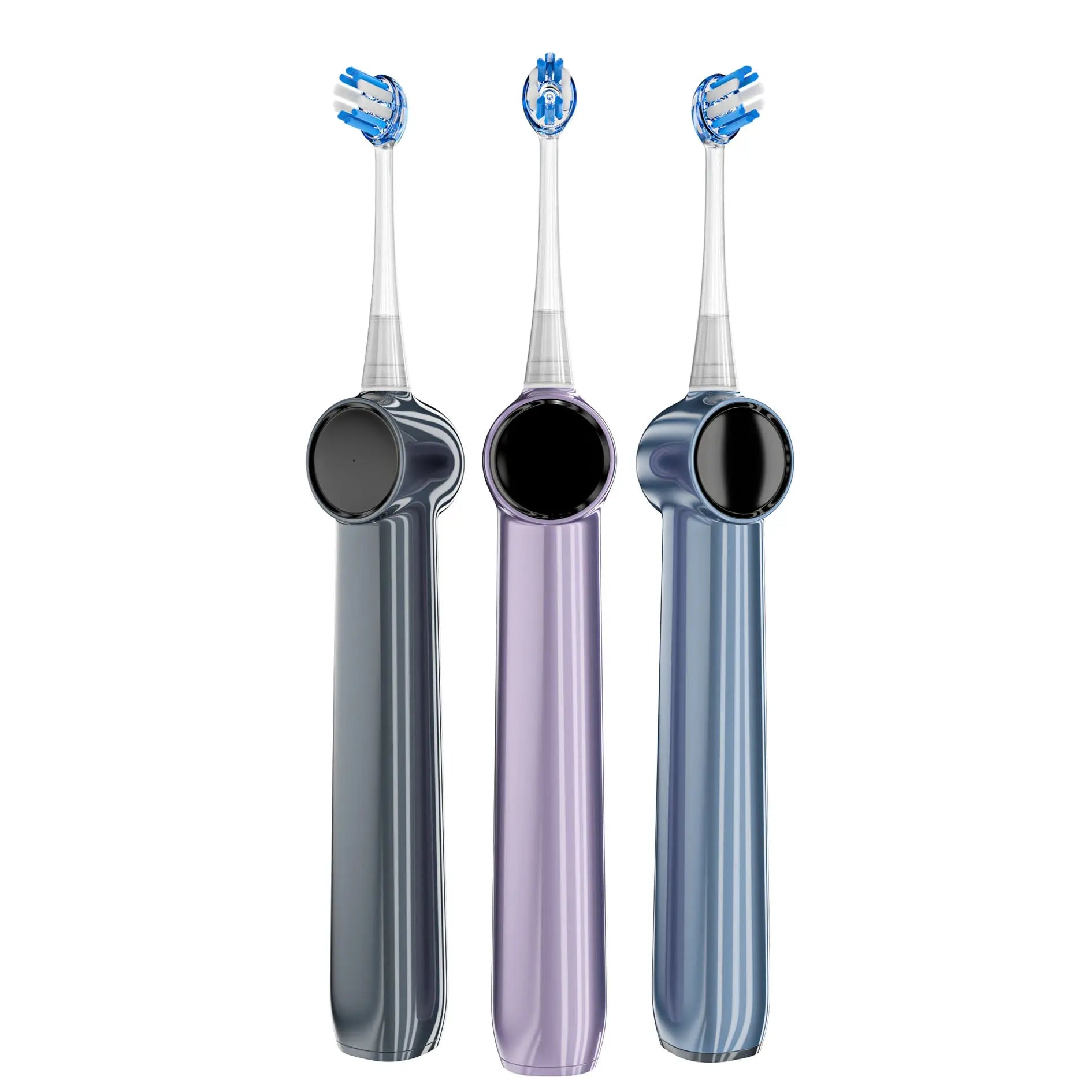
Two main technologies do the heavy lifting. Oscillating‑rotating (O‑R) models spin a small, round head that cups each tooth, mimicking a dentist’s prophy cup. Sonic brushes vibrate side‑to‑side at high frequency, agitating fluids to dislodge plaque even beyond the bristle tips. More recently, a third category has emerged: bubble-jet toothbrushes that use micro-bubbles and fluid dynamics to penetrate deep into the gaps between teeth, dislodging plaque where bristles can’t reach. For instance, the RANVOO AirJet X5 generates supercharged nano-bubbles that flush out debris from interdental spaces and below the gumline — backed by a certified Level-1 cleaning efficiency with a 99.9% plaque removal rate. This approach combines the gentleness of water with the coverage of sonic action, making it especially effective for tight contacts and orthodontic appliances.
Here’s what the numbers look like over time in real‑world use:
- After 1 month: ~11% more plaque removed than manual brushing
- After 3 months: ~21% more plaque removed
- Gingivitis (gum inflammation) improved by up to 11% after 3 months
“Powered toothbrushes reduce plaque and gingivitis more than manual toothbrushing in the short and long term.” — Cochrane Review authors
The Manual Toothbrush Reality: Technique Over Technology
A manual brush can be highly effective — but only with flawless technique. The problem? Most people never learn it, and even fewer do it consistently.
The gold standard is the Modified Bass Technique:
- Position the brush at a 45° angle to the gumline.
- Gently vibrate the brush back and forth in short, tooth‑wide strokes.
- Cover all outer surfaces, inner surfaces, and chewing surfaces.
- Don’t scrub; let the bristle tips do the work.
- Spend a full 2 minutes — and many people don’t make it past 45 seconds.
Common mistakes: brushing too hard, skipping the gumline, using long horizontal scrubs. These errors leave plaque behind and even damage gums. Electric brushes compensate for most of this with timers, pressure sensors, and optimized head designs.

Why Your Gum Health Might Hinge on This One Choice
Plaque doesn’t just cause cavities; it’s the primary trigger for gingivitis, the bleeding, puffy gums that can progress to periodontitis and tooth loss. Electric brushes don’t just scrape teeth — they actively protect the tissue that holds them in place.
How Pressure Sensors Save You from Over‑Brushing
Brushing too enthusiastically is a common cause of gum recession, where the gum line creeps down and exposes sensitive root surfaces. Once gums recede, they don’t grow back.
Many electric brushes now include pressure sensors that light up, change vibration, or even automatically stop when you push too hard. It’s a simple safety net that manual brushes can’t offer. But another, perhaps more elegant solution is to use a brush designed from the ground up to be gentle. The RANVOO AirJet X5, for example, operates at just 22,000 strokes per minute with a 12° micro‑oscillation — far lower than the 30,000–66,000 strokes typical of many electrics. This low frequency, combined with soft DuPont bristles and a rubber-coated back, inherently reduces the risk of gum trauma while still removing plaque effectively via bubble power. So you get the protection without needing a sensor to catch missteps — the design itself prevents over‑brushing damage.
Dentist’s Note: อาการระคายเคืองเหงือกเล็กน้อยจากการแปรงแรงเกินไปสามารถกลับมาเป็นปกติได้ หากคุณผ่อนแรงลงตั้งแต่เนิ่นๆ แต่เหงือกร่น — นั่นคือการสูญเสียเนื้อเยื่อถาวร เซ็นเซอร์วัดแรงกดจึงไม่ได้มีไว้เพื่อความสะอาดมากกว่า แต่เพื่อป้องกันความเสียหายที่คุณจะต้องเสียใจภายหลัง แปรงที่ช่วยลดแรงกดได้ตามธรรมชาติอย่าง AirJet X5 จะมอบความสบายใจนั้นให้คุณตั้งแต่เริ่มต้น
Can a Toothbrush Actually Improve Circulation and Stop Bleeding?
Yes. Reducing plaque and massaging the gumline with gentle, consistent stimulation actually improves local blood flow and decreases inflammation. The Cochrane analysis showed an 11% reduction in gingivitis at 3+ months — meaning less bleeding on probing and healthier gum pocket depths. In practical terms, you’ll see pinker, tighter gums that don’t bleed when you floss.
When an Electric Toothbrush Is the Clearly Superior Option
Some situations make the switch from manual to electric almost a no‑brainer.
For Kids, Older Adults, and Anyone with Limited Mobility
Powered brushes do most of the manual dexterity work. You’ll benefit most if you struggle with:
- Arthritis or hand/wrist pain
- Limited shoulder or elbow range of motion
- Short attention spans (kids who race through brushing)
- Developmental or intellectual disabilities that affect coordination
If You Have Braces, Implants, or Dental Crowns
Orthodontic appliances and restorations trap plaque in hard‑to‑reach nooks. Electric brushes excel here. Orthodontists recommend them because:
- Small, round O‑R heads clean around brackets and under wires far more easily than a manual brush.
- Sonic vibration helps flush debris from interproximal spaces around implants and crowns.
- They reduce the risk of white‑spot lesions and decay during orthodontic treatment.
When Your Dentist Diagnoses Early Gum Disease
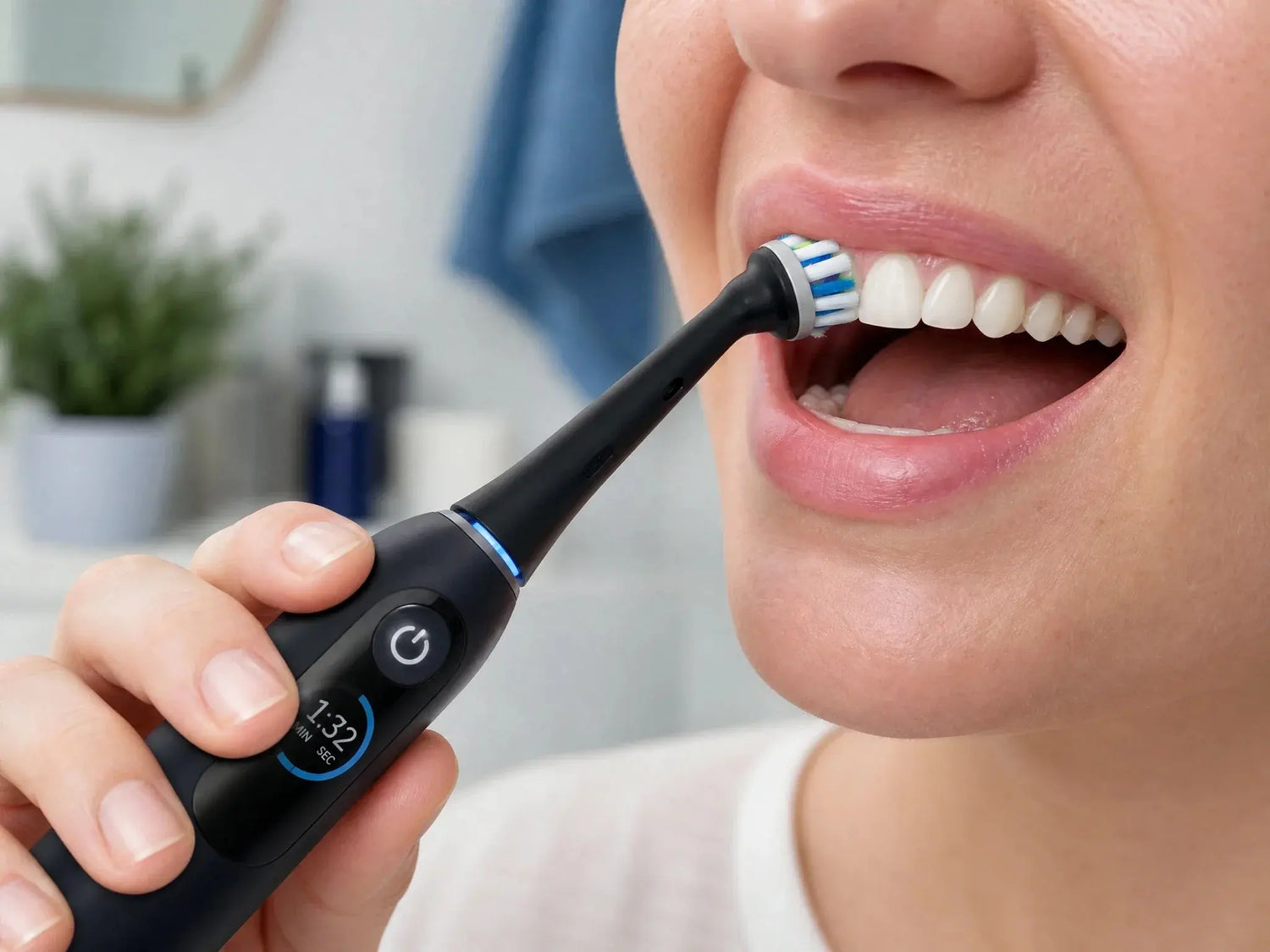
If you’re already showing signs of gingivitis, an electric brush can help you reverse it before it becomes periodontitis. Built‑in two‑minute timers with 30‑second quadrant pacers simplify thorough coverage, so no area gets neglected.
“I always recommend electric toothbrushes with built‑in timers. This beneficial feature tells you how long to brush and some even tell you when to switch quadrants.” — Whitney DiFoggio, RDH, via AOL.com

Where Manual Toothbrushes Still Hold an Edge
Honest balance: electric isn’t always the only smart choice.
Eco‑Friendly Oral Care and Zero Battery Waste
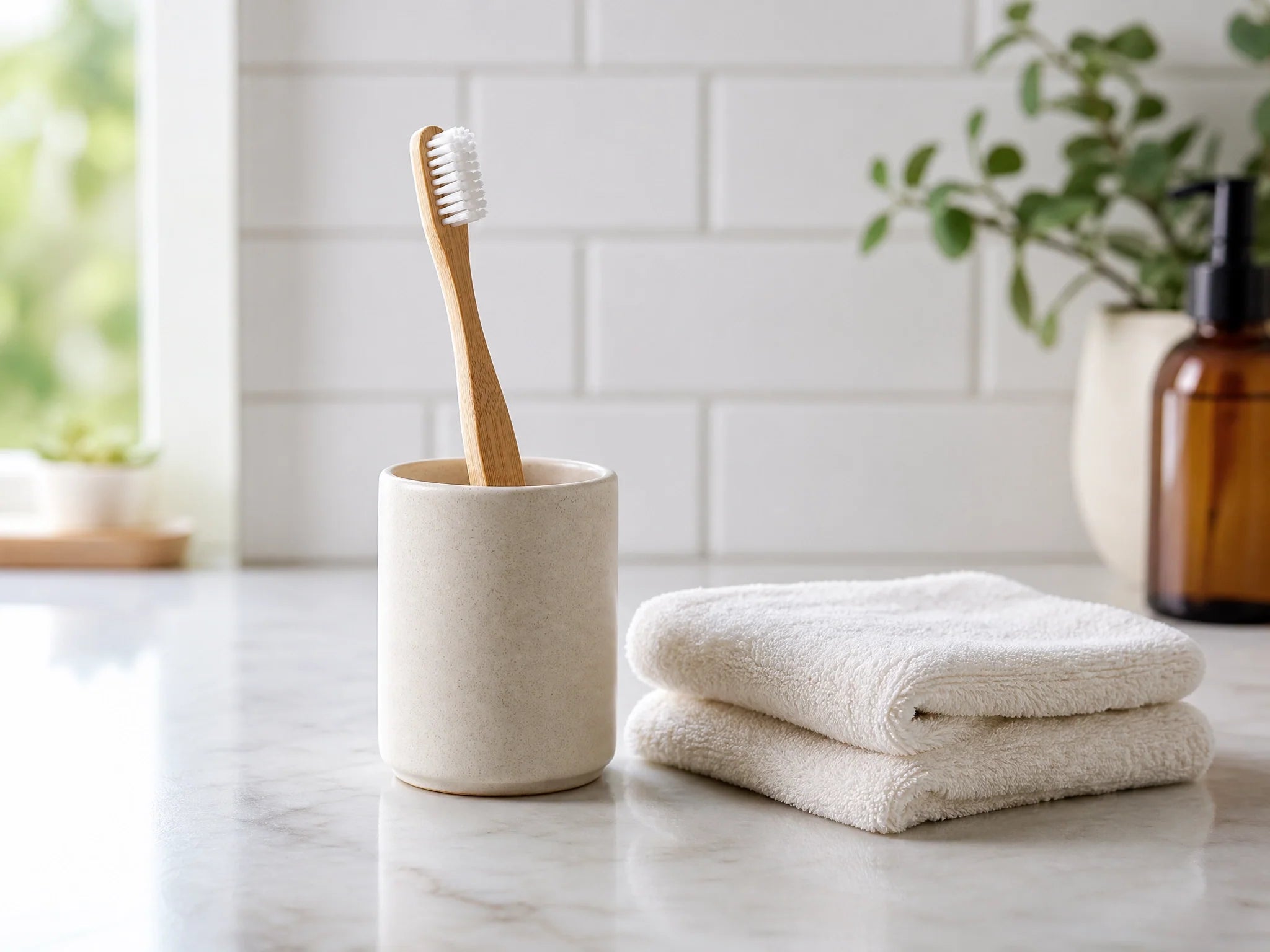
Manual brushes create less electronic waste. A basic bamboo manual brush is fully compostable (minus the bristles), while electric counterparts require lithium‑ion battery recycling and plastic brush‑head replacements every 3 months. Rechargeable electrics are better than battery‑powered disposables, but they still have a bigger manufacturing footprint.
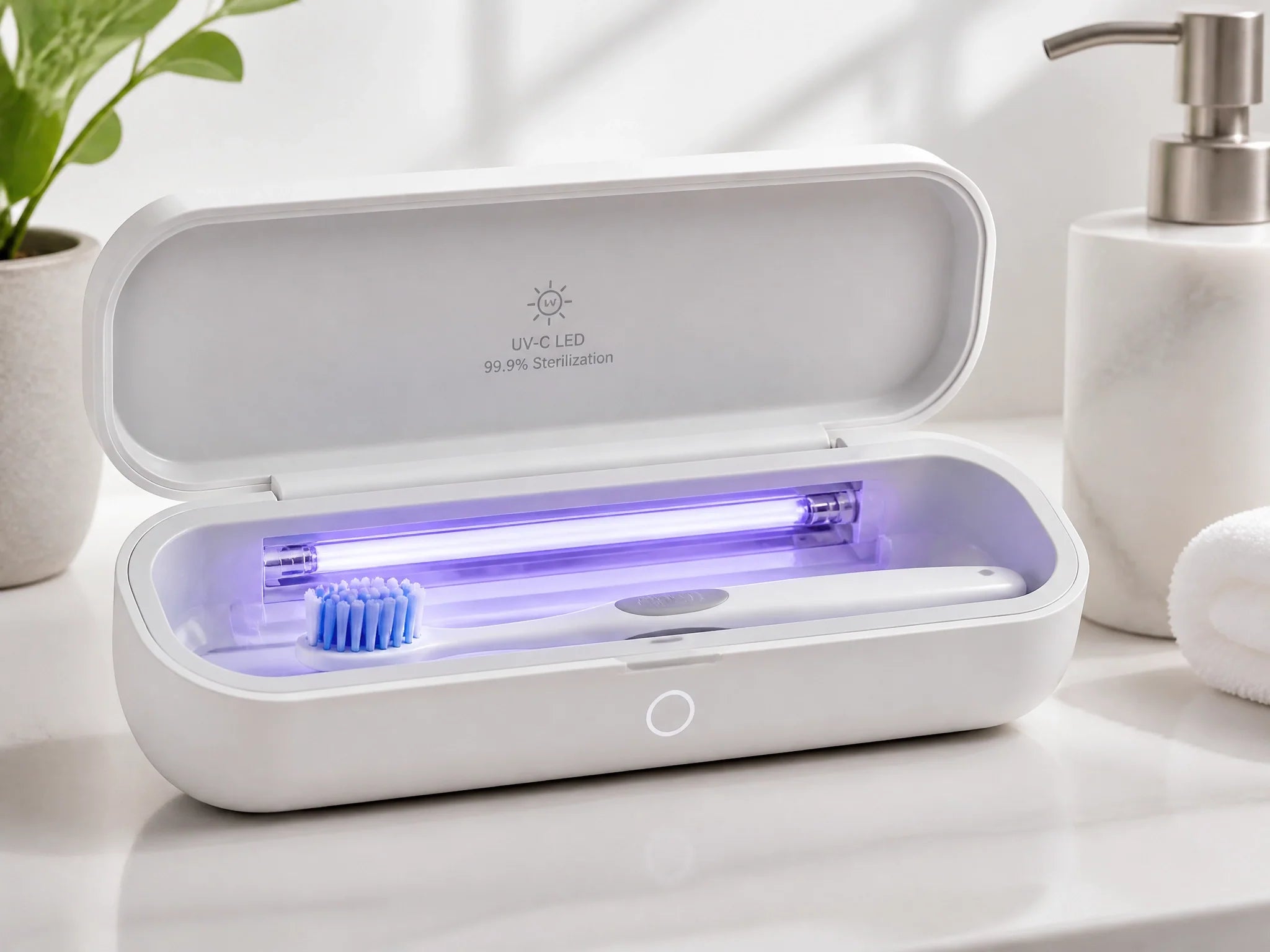
Greener Choice Tip: If you go manual, look for a bamboo handle with BPA‑free bristles. Or, if you stay electric, choose a brand that offers a recycling program สำหรับหัวแปรงและด้ามจับที่ใช้แล้ว ตัวอย่างเช่น RANVOO AirJet X5 ใช้แบตเตอรี่แบบชาร์จซ้ำได้ที่ทนทาน (Type‑C, ใช้งานได้ 30 วัน) และมีดีไซน์ป้องกันเชื้อราพร้อมแท่นยึดผนังแบบแม่เหล็ก — ช่วยลดความจำเป็นในการใช้โซลูชันจัดเก็บแบบใช้แล้วทิ้ง และทำให้แปรงของคุณแห้งระหว่างการใช้งาน ซึ่งช่วยยืดอายุการใช้งานและความสะอาดได้
When Budget Is Your Primary Concern
Upfront cost isn’t the whole picture. Here’s a 3‑year cost look:
| Toothbrush Type | Initial Cost | Replacement Heads (3‑Year) | Total 3‑Year Cost |
|---|---|---|---|
| Cheap manual (replace every 3 months) | $2 each | $24 (12 brushes) | $24 |
| Entry‑level electric (e.g., Oral‑B Pro 1000) | $50 | $75 (9 heads at ~$25/2‑pack) | $125 |
| Premium electric (e.g., iO series) | $200+ | $150+ | $350+ |
Electric costs more, but keep in mind that avoiding one cavity or gum treatment can save hundreds — and the 21% plaque reduction significantly lowers risk. For many, the math tips toward electric when dental bills are factored in.
How to Choose the Right Electric Toothbrush for Your Personal Needs
Not all electrics are created equal. Focus on what truly improves cleaning, then decide which extras you’ll actually use.
Non‑Negotiables: Timers, Pressure Sensors, and Brush Head Styles
- 2‑minute timer with quad‑pacer: Non‑negotiable. You’ll brush full time without guessing.
- Pressure sensor: A must for anyone who tends to scrub. Protects gums.
- Soft or extra‑soft bristles: The American Dental Association recommends soft filaments to protect enamel and gums.
- Brush head shape: Round oscillating heads contour around each tooth — backed by slightly stronger plaque‑removal evidence. Rectangular sonic heads may feel more familiar and cover more surface per stroke. Both outperform manual, so pick the shape you’ll use consistently.
For those who want even deeper cleaning without harsh friction, consider a bubble‑jet brush เช่น RANVOO AirJet X5 เทคโนโลยี SuperNano Bubble 2.0 ใช้ไมโครบับเบิลและพลังของของไหลเพื่อทำความสะอาดซอกฟัน โดยมีประสิทธิภาพการทำความสะอาดซอกฟันมากกว่ารุ่นก่อนหน้าถึง 2.4 เท่า หัวแปรงทำจากขนแปรง DuPont แบบนุ่มพร้อมด้านหลังเคลือบยาง และด้ามจับมีคุณสมบัติกันน้ำระดับ IPX7 แบตเตอรี่ใช้งานได้ 30 วัน และแท่นยึดผนังแบบแม่เหล็กที่ช่วยป้องกันการเกิดเชื้อรา — เป็นรายละเอียดที่ใส่ใจมากหากคุณเคยเจอกับแท่นวางแปรงที่ชื้นและเสี่ยงสะสมแบคทีเรีย
Smart Extras: Battery Life, Travel Cases, and App Connectivity
| Need‑to‑Have | Nice‑to‑Have |
|---|---|
| Reliable battery (10+ days) | 40+ days battery life |
| Simple, durable design | Premium travel case with charger |
| Two cleaning modes (daily clean, sensitive) | Six modes, app with 3D brushing map |
| Easy‑to‑find replacement heads | Brush‑head subscription service |
App connectivity can be genuinely motivating for some, but a timer and decent technique deliver 90% of the benefit. Don’t pay for sensors you’ll never open.
The Verdict: Is an Electric Toothbrush Better for You?
Use this simple decision path:
- If you have gingivitis, braces, implants, arthritis, or high cavity risk → เลือกแปรงสีฟันไฟฟ้าที่มีเซ็นเซอร์วัดแรงกดและตัวจับเวลา หลักฐานแสดงให้เห็นว่าคุณจะมีฟันที่สะอาดขึ้นและเหงือกที่สุขภาพดีขึ้น หากเหงือกของคุณบอบบางเป็นพิเศษ ลองพิจารณาแปรงแบบบับเบิลเจ็ตอย่าง RANVOO AirJet X5 — การสั่นแบบไมโครออสซิลเลชันความถี่ต่ำและการทำความสะอาดด้วยฟองของมันช่วยขจัดคราบพลัคระดับ 1 โดยไม่รุนแรงเหมือนการสั่นความเร็วสูง
- If your dentist says your gum health is excellent, you brush flawlessly for 2 minutes twice a day, and you prefer a low‑waste, low‑cost routine → a manual brush is perfectly intelligent. Stick with it.
- If you’re somewhere in the middle → an entry‑level electric brush ($30–$50) with a pressure sensor and timer is the most impactful upgrade you can make for your oral health — often paying for itself in prevented problems.
One sentence to take away: An electric toothbrush removes more plaque with less work, protects your gums from over‑brushing, and makes the whole habit easier to do right — but if your technique is already perfect, a manual brush is still a valid, earth‑friendly choice.