Hydrogen peroxide can be a safe, effective oral rinse when properly diluted—but misuse can cause chemical burns, damage enamel, and harm your health. This guide covers the exact mixing ratio, step-by-step instructions, and critical safety rules.
What Exactly Is Hydrogen Peroxide Mouthwash?
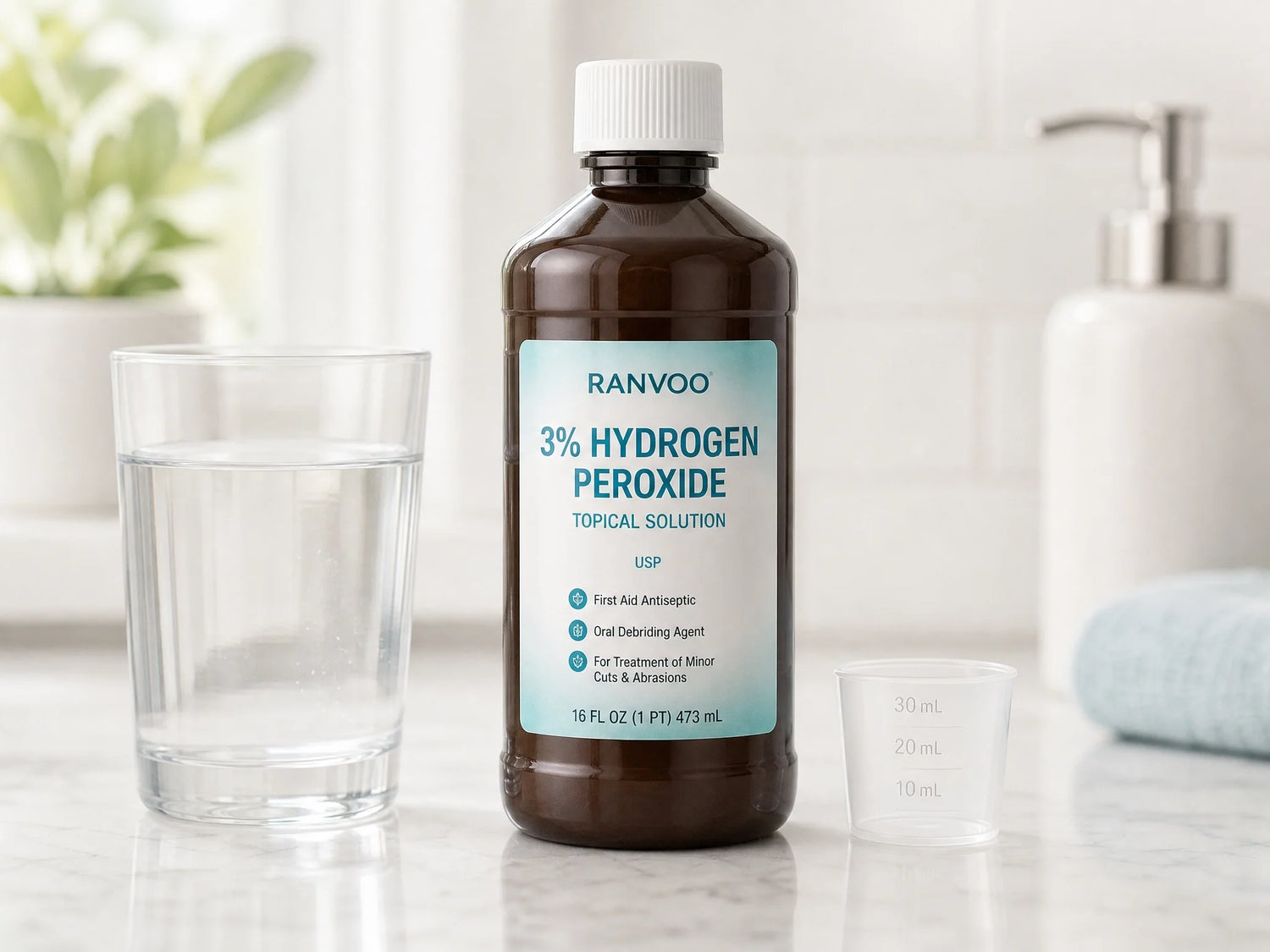
Hydrogen peroxide (H₂O₂) is a clear chemical compound that acts as a weak topical antiseptic. The brown bottle you find in most drugstores is typically a 3% concentration—a first-aid solution that must be diluted before any oral use. It’s not a ready-made mouthwash, but a disinfectant that releases oxygen to clean and debride.
- Standard Mouthwash: Ready to use, often contains fluoride or essential oils, may carry an ADA Seal, designed for daily freshness.
- Hydrogen Peroxide 3% Solution: A disinfectant that you dilute yourself, no ADA Seal for plain peroxide, short-term therapeutic use only.

The Science-Backed Benefits of a Hydrogen Peroxide Mouth Rinse
Hydrogen peroxide works by releasing oxygen when it contacts tissues. This oxidative burst disrupts the cell walls of anaerobic bacteria, making it a useful short-term rinse for several oral issues. Here’s what the evidence supports.
Soothing a Sore Throat
Gargling diluted hydrogen peroxide can reduce the bacterial load in your throat, helping ease minor infections. The oxygen release loosens thick mucus and breaks down bacterial structures.
“Hydrogen peroxide may help soothe a sore throat by reducing bacteria and loosening mucus,” notes clinical guidance on gargling solutions, citing its antimicrobial action. Healthline
Healing Canker Sores and Mouth Ulcers
Its antiseptic foaming action cleanses lesions, prevents secondary infection, and speeds recovery. - Swish the diluted rinse directly over the sore area. - Hold for at least 1 minute to let oxygen debridement work. - Spit—never swallow.
For Teeth Whitening and Stain Removal
Peroxide has a mild bleaching effect that breaks down organic stain molecules on enamel. Results are gradual and only affect surface discoloration. Overuse, however, can make teeth appear translucent and lead to demineralization, so daily whitening attempts are not recommended. Dentaly.org warns that long-term use weakens enamel.
To Combat Bad Breath (Halitosis) and Gingivitis
It kills odor-causing bacteria hiding under the gumline and on the tongue. This helps reduce sulfur compounds responsible for bad breath and improves mild gingivitis temporarily.
| Symptom | Hydrogen Peroxide Efficacy |
|---|---|
| Bad breath | Good — neutralizes sulfur producers |
| Bleeding gums | Moderate — reduces bacterial load |
| Plaque | Only temporary reduction; no mechanical removal |
| Canker sores | Good — antiseptic cleansing aids healing |
How to Dilute Hydrogen Peroxide Safely: The Golden Ratio
Never use undiluted 3% hydrogen peroxide as a mouthwash. Proper dilution is the line between a healing rinse and a chemical burn.
What Concentration Should You Buy?
- Standard 3% USP hydrogen peroxide (brown bottle, labeled “Oral Debriding Agent” or “First Aid Antiseptic”). This is the only safe starting point for home mixing.
- Avoid food-grade peroxide (10% or higher) — it corrodes oral tissues on contact.
- Look for a preservative-free or minimal-stabilizer formula if possible; official labels allow up to 0.05% preservative. DailyMed
Step-by-Step Mixing Instructions
- Measure 1 ounce (2 tablespoons) of 3% hydrogen peroxide into a clean cup.
- Add 1 ounce of cool, clean water (1:1 ratio, giving you ~1.5% solution).
- Stir gently — do not shake. Use immediately, because exposure to light and warmth breaks down the peroxide.

How to Gargle and Rinse: Step-by-Step Protocol
- Take the freshly mixed solution into your mouth.
- Swish forcefully around teeth and gums for at least 30 seconds.
- Tilt your head back gently and gargle for the throat area for another 15–30 seconds.
- Spit every drop out. Do not swallow.
- Use up to 4 times daily, after meals and at bedtime, but not beyond 7 days unless directed by a dentist or physician. DailyMed label
If you accidentally swallow more than a small amount, call Poison Control immediately at 1-800-222-1222. Ingestion can cause stomach upset, vomiting, and in large volumes, dangerous oxygen gas bubbles in the bloodstream.
The Real Risks and Side Effects
Misuse turns a simple home remedy into a hazard. Pay attention to these dentist-flagged concerns.
Can Hydrogen Peroxide Damage Your Teeth?
Yes. Free radicals released during oxidation can erode enamel and cause demineralization if used daily or at high concentrations. Signs of overuse: - Increased cold sensitivity - Teeth looking translucent at the edges - White spots or chalky enamel
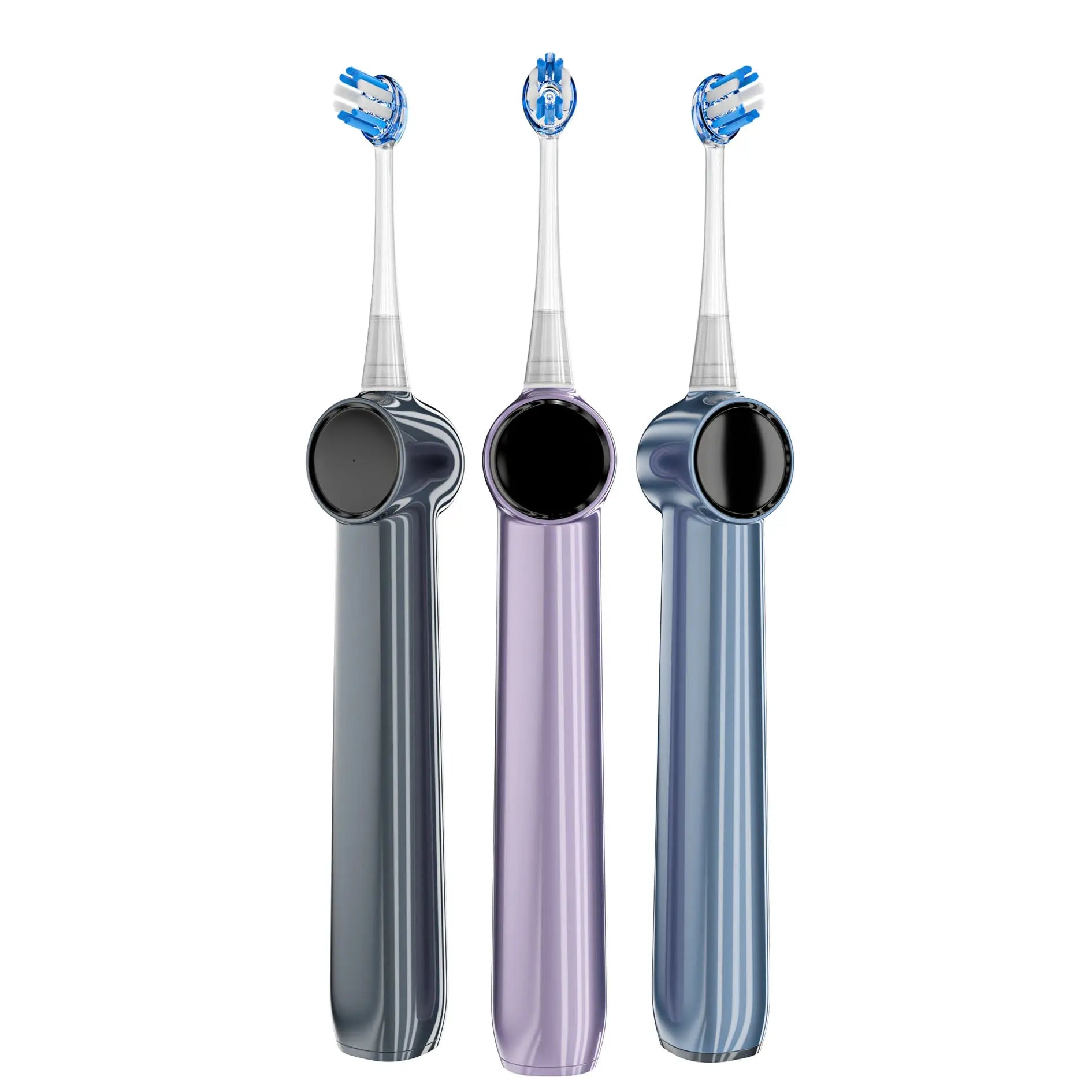
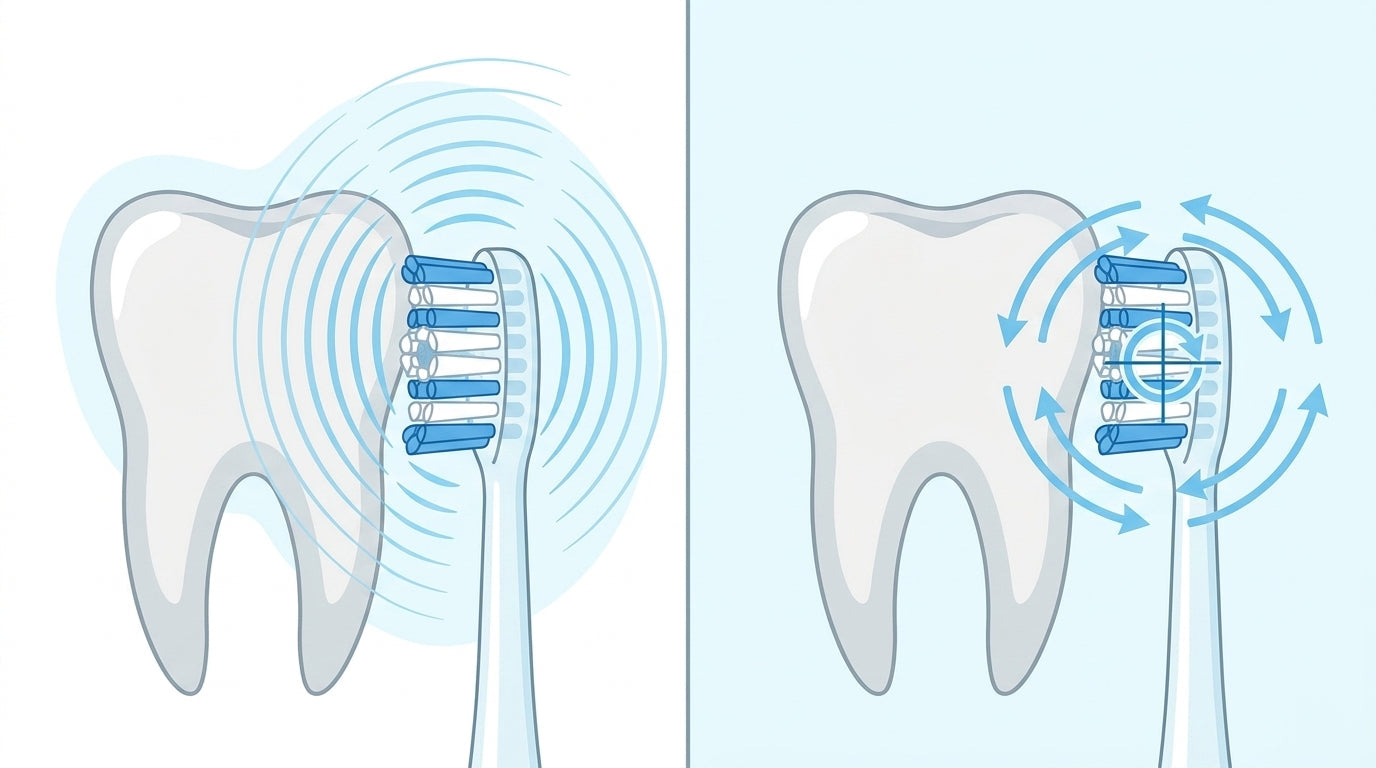
For those with sensitive gums or concerns about enamel erosion, switching to a gentler cleaning tool like the RANVOO AirJet X5 Electric Toothbrush can help. Its bubble cleaning technology minimizes pressure on teeth and gums, making it an ideal daily companion for maintaining oral health without the risks of harsh abrasion or over-whitening. This way, you can use hydrogen peroxide only as a short-term therapeutic aid while keeping your regular routine safe and comfortable.
What Happens If You Swallow Hydrogen Peroxide?
Even small accidental sips of diluted 3% solution can cause nausea and vomiting. Large amounts risk burning the digestive tract and, rarely, gas emboli—a life-threatening condition. Always spit thoroughly.
Temporary Side Effects: Black Hairy Tongue and Oral Thrush
Chronic oxidation can kill healthy mouth bacteria, allowing yeast (Candida) to overgrow — leading to oral thrush. It may also stain tongue papillae, causing a harmless but unsettling black hairy tongue. These resolve when you stop using peroxide and restore balance. Drugs.com Monograph

When to Skip the Peroxide Rinse
Do not use if: - You have deep wounds, severe burns, or animal bites in the mouth. - You’re allergic to peroxide. - You are under 2 years of age (consult a dentist or doctor). - Symptoms haven’t improved after 7 days. - You have a history of enamel erosion or severe gum recession without dentist guidance.
Where to Buy the Right Peroxide for Oral Use
Find 3% USP hydrogen peroxide in any pharmacy or online first-aid section. The label must say “Oral Debriding Agent” or “First Aid Antiseptic.” Avoid products with extra stabilizers or unknown additives. Keep the bottle tightly closed at room temperature; never shake it to avoid pressure buildup.
Hydrogen Peroxide Mouthwash vs. Commercial Mouthwash
| Feature | Diluted 3% Hydrogen Peroxide | Commercial Peroxide Rinse (e.g., Peroxyl) | Standard Antiseptic Mouthwash |
|---|---|---|---|
| Active ingredient | ~1.5% H₂O₂ (self-mixed) | 1.5% H₂O₂ (buffered, ready-to-use) | Essential oils / chlorhexidine / fluoride |
| Antibacterial spectrum | Broad, short-term | Broad, formulated for oral use | Targeted, long-lasting |
| Enamel safety | Risk with overuse | Safe with label directions | Safe for daily use |
| Taste | Slightly acidic, frothing | Mild mint, less foam | Varies |
| ADA Seal | No | Some formulations may carry it | Yes (many therapeutic rinses) |
| Cost | Very low | Moderate | Moderate to high |
Plain hydrogen peroxide rinses don’t carry the ADA Seal, while commercial 1.5% products like Peroxyl are specifically buffered for the mouth and may meet acceptance criteria. If you want a peroxide rinse without the guesswork, a pre-formulated 1.5% solution is the safer, dentist-preferred option.
Use hydrogen peroxide rinses only for temporary relief—never as your everyday mouthwash. When in doubt, talk to your dentist.