TL;DR: Thumb sucking is a natural self-soothing behavior for babies and toddlers. Most children stop on their own between ages 2 and 4. If the habit persists past age 4 or 5, it can begin to affect dental alignment and speech development. The most effective approach combines shame-free conversations, positive reinforcement, and gentle physical reminders—always positioning your child as a willing participant, not a problem to be fixed.
Watching your child soothe themselves with their thumb can be sweet when they’re little. But as the preschool years tick by, that same endearing habit can start to trigger a quiet worry in the back of your mind. You might wonder if it’s causing damage, how to bring it up without creating a power struggle, and whether you’re overthinking the whole thing. You’re not alone—and you’re not overreacting. Knowing how to navigate this transition with empathy and evidence-backed strategies makes all the difference.

Is It Really a Problem?
First, take a breath. Thumb sucking is developmentally normal. It’s how infants calm themselves, explore their world, and even fall asleep. This behavior, formally known as non-nutritive sucking, naturally fades for the vast majority of children between ages 2 and 4 without any outside pressure.
The conversation shifts from “normal” to “something to monitor” when the habit persists beyond the arrival of permanent teeth. Prolonged, vigorous sucking can begin to remodel the developing jaw. The primary dental concern is dental malocclusion—a misalignment of the teeth and bite. Research links prolonged thumb sucking to conditions like an anterior open bite (where the front teeth don’t overlap) and an excessive overjet (protruding upper front teeth). Another systematic review confirmed that digit-sucking habits increase the odds of developing an anterior open bite fivefold compared to children without the habit.
You don’t need to panic at the first sign of a permanent tooth. Instead, watch for these non-alarming guideposts:
- The habit persists past age 4 or 5 with no signs of slowing down.
- You notice calluses on the thumb or a chapped, irritated appearance.
- You can hear a “clucking” sound or see a gap between the upper and lower front teeth when your child bites down.
- Your child is being teased or expressing self-consciousness about the habit.
The American Academy of Pediatric Dentistry (AAPD) recommends active evaluation and intervention for children with a persistent non-nutritive sucking habit by age 3, or sooner if signs of malocclusion are already visible.
Starting a Shame-Free Conversation
This is the most critical step. The emotional root of thumb sucking is self-soothing and attachment. The thumb has been a reliable companion through boredom, fatigue, and separation anxiety. If you attack the habit, you risk making your child feel attacked personally. This triggers stress, and what does a stressed child do? They suck their thumb more.
Frame the conversation as a team meeting where your child is the expert on their own feelings.
- Make it a “big kid” milestone. Say, “You’ve learned so many big-kid skills lately, like putting on your own shoes. When you feel ready, you can also learn to let your thumb have a rest.”
- Use “we” language. “I wonder what we could do to help your mouth grow strong and straight.”
- Ask, don’t tell. “Can you tell me what feels nice about sucking your thumb? When do you notice you want it the most?”
- Normalize it. Let them know that lots of kids need help with habits grown-ups once had, too.
A collaborative tone ensures the child feels like part of the solution, which reduces resistance and power struggles significantly.
Positive Reinforcement That Actually Works
If you take one strategy from this guide, make it this one. Positive reinforcement—not punishment—is the most researched and recommended behavioral strategy. A clinical trial comparing behavioral therapy to dental appliances found that an approach combining aversive taste on nails and a system of rewards was highly effective, controlling daytime sucking in about 87% of cases. Another study demonstrated that a psychological approach using motivational interviewing yielded the best patient satisfaction compared to appliance-based therapies.
The secret is specificity and immediacy.
- Ditch the vague praise. Instead of “Good job today,” try, “I saw you were super tired in the car and you didn’t use your thumb—that was amazing!”
- Visual tracking is key. A sticker chart isn’t just a gold-star cliché; it’s a concrete, visual record of success your child can control. Let them choose the stickers.
- Shrink the reward timeline. A week is a decade to a four-year-old. Celebrate “dry thumb” mornings with a small pocket-size prize, a trip to the park, or an extra bedtime story.
- Celebrate effort, not perfection. A day with fewer episodes is still a win worth marking.
Behavioral therapy with positive reinforcement is a simple, cost-effective strategy that respects a child’s emotional background and is highly effective in habit intervention protocols.
Using Gentle Physical Reminders
At night or during times of deep, subconscious focus, your child’s thumb can wander back into their mouth before they even realize it. This isn’t defiance. It’s a deeply encoded habit loop. Gentle physical reminders act as a signal to break that automatic cycle.
The key principle is that these aids must be presented as “helpers,” never as a penalty.
- Bitter-tasting polishes. Applied to the thumbnail like a clear coat, these create an unpleasant taste that acts as an instant, neutral reminder. They are most effective when combined with positive reinforcement.
- Breathable thumb covers or cloth mittens. These are especially useful for nighttime thumb sucking, which is purely unconscious. Materials like soft cotton can break the seal of suction without restricting movement.
- Fabric bandages or finger puppets. A colorful adhesive wrap around the favored thumb can serve as a wonderful daytime cue. Your child can even choose a box of fun character bandages to feel a sense of personal agency.

The moment a physical aid feels like a punishment, resistance skyrockets. If your child protests, pause. Revisit the conversation about “helpers” and try again later.
When and Why to See a Dentist or Doctor
Many parents fear they’ll be judged for seeking professional help “too early.” The opposite is true. A pediatric dentist or orthodontist is your most valuable ally. They examine developing mouths every day and can distinguish between a passive habit that will self-correct and an active one that’s structurally changing the palate.
You should seek a dental evaluation if you notice:
- Changes in the shape of the mouth. A narrow, high-arched palate or an indentation on the roof of the mouth where the thumb rests.
- Speech difficulties. Articulation errors, particularly with sibilant sounds like “s” and “z,” may emerge as the anterior open bite changes tongue tip placement.
- The habit is vigorous and persistent past age 5. Once permanent incisors have fully erupted, the risk of lasting dental displacement increases.
Dentists have effective tools for stubborn cases. Habit-breaking appliances, such as a fixed palatal crib or a bluegrass appliance, are small, passive devices placed behind the upper front teeth that make thumb sucking physically impossible. They don’t hurt; they simply prevent the digit from reaching the palate, rendering the behavior unrewarding. This often stops the habit within a few weeks or months. A pediatrician or behavioral specialist can also help address underlying anxiety if emotional triggers are the primary driver.
Common Pitfalls You Should Dodge
Enthusiasm can sometimes lead a caring parent down an accidentally counterproductive path. Avoiding these well-intentioned moves keeps your child’s trust intact and pressure off the habit.
- Constant Nagging. A running commentary of “thumb out” turns the habit into a charged source of attention. This can escalate a subconscious behavior into a power struggle you won’t win by sheer will.
- Shaming. Words like “babyish” or comparing them to peers causes shame, which is a stress response. The thumb is the tool they use to calm stress. Shaming fuels the need for the very habit you’re trying to break.
- Yanking the hand away. Physically intervening without consent feels alarming and intrusive, again raising anxiety levels.
- A zero-tolerance approach. A child who feels they’ve failed by a single nighttime slip-up will lose all motivation to try during the next day.
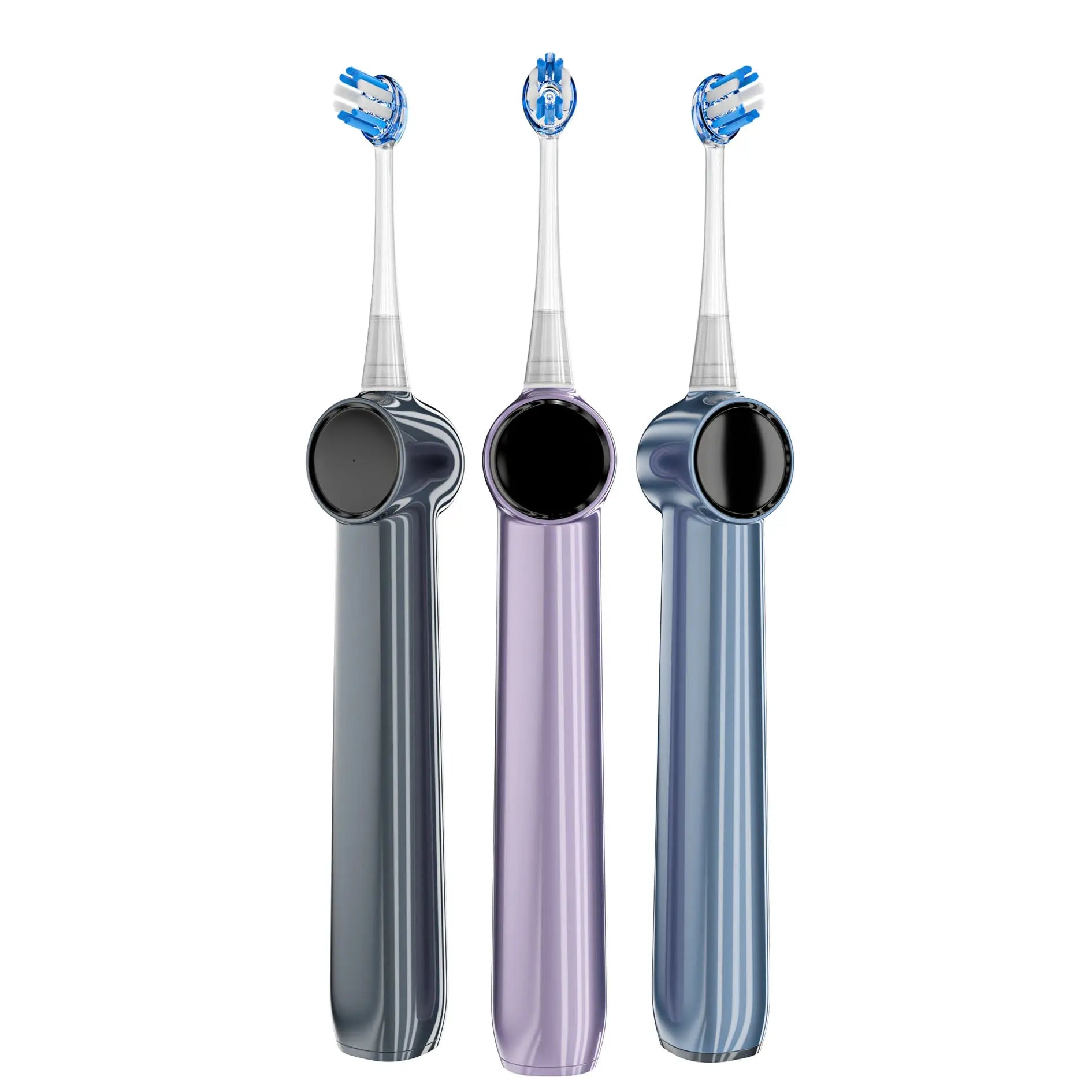
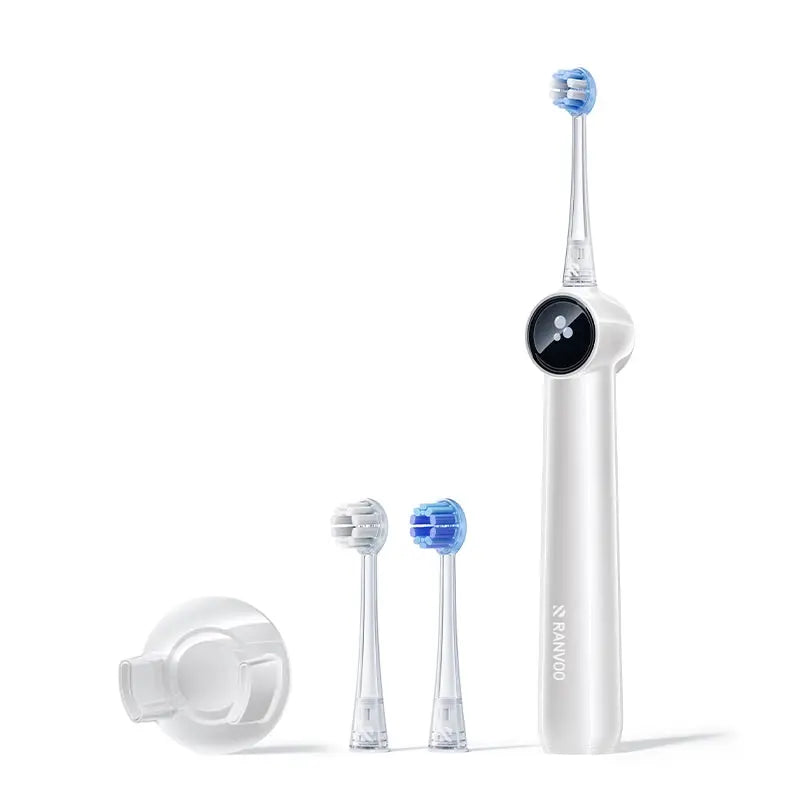
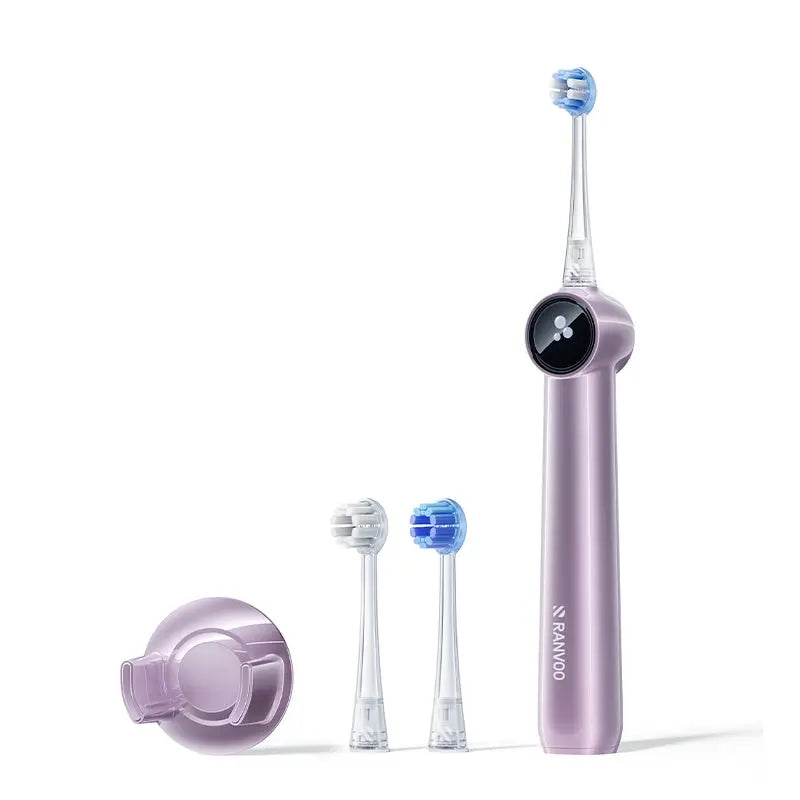
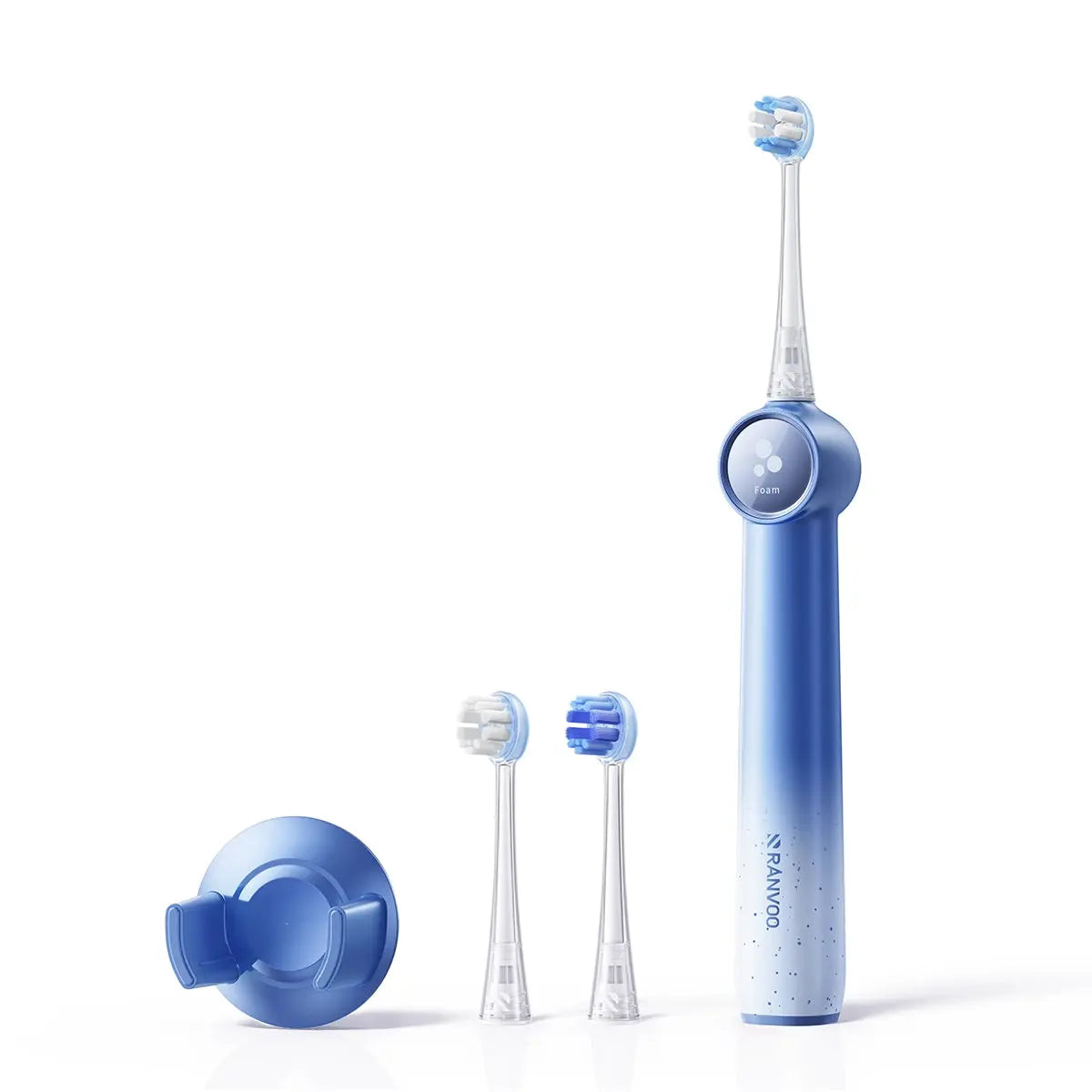
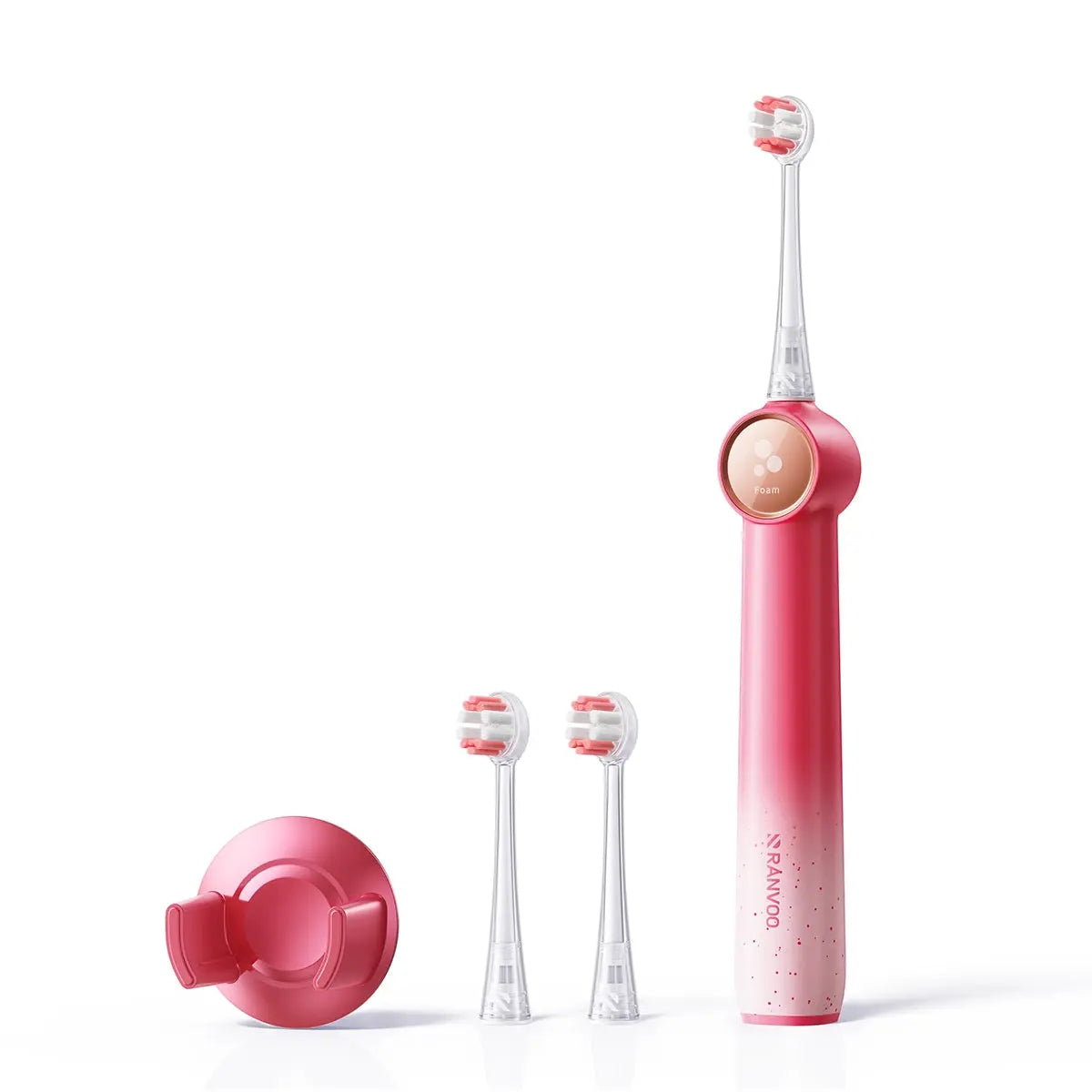
Instead, use calm redirection. A gentle, pre-agreed code word (“Disney”) or a subtle hand squeeze gives them the cue to remove the thumb without anyone else noticing. When your child is learning to manage this complex transition, they deserve all the support their growing mouth needs. An electric toothbrush can be a wonderful tool in this journey, helping a child with a developing or slightly irregular bite clean hard-to-reach areas more effectively than a manual brush, building a sense of independence over their oral health. Integrating a sonic electric toothbrush into their nightly routine can also provide a safe, gentle oral sensation that helps signal to their brain it’s time to wind down, gradually replacing the comforting vibration of the thumb.

The path away from thumb sucking is rarely a straight line. It curves through regression, illness, new siblings, and first weeks of school. When a setback happens, it’s not a sign that your method has failed. It’s a signal that your child needs a little extra connection, a little more patience, and perhaps a moment to rest before trying again. You’re not demanding they give up a bad behavior. You’re helping them build a new, big-kid skill from the same empathy that’s guided you since the very beginning.